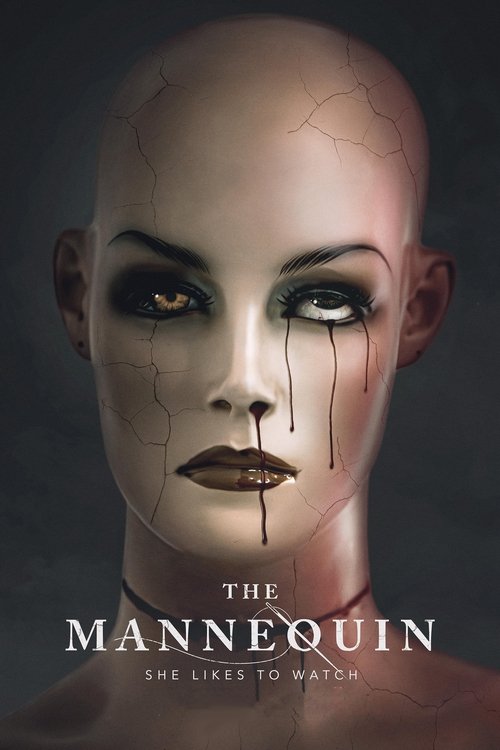
The Mannequin
Plot
A stylist assistant investigates her sister's death in a historic LA building, only to face a vengeful ghost of a serial killer who dismembered victims decades ago. She must escape before she's next.
Get the Weekly Woke Watchlist
New and trending movies scored for woke bias, preachy messaging, and forced political themes — before you waste your evening.
No spam. One useful email per week.
Overall Series Review
Categorical Breakdown
The lead characters (Liana and Sophia Rojas) and their friends are portrayed by a racially diverse ensemble cast. The plot, however, focuses on a universal horror theme—the investigation of a supernatural serial killer and personal grief—rather than using race, immutable characteristics, or intersectional hierarchy as the central conflict or a source of political lecturing.
The hostility in the film is directed toward a specific historical moral failure: the violence and abuse of women by a serial killer, which haunts a single building. The narrative frames the evil as a localized trauma from the past that must be reckoned with. This is not a broad demonization of Western civilization, home culture, or ancestors in general.
The core of the story is driven entirely by a perfectly cast ensemble of female actors, centering on their competence, emotional nuance, and agency to fight back against a male-originated evil. The female characters include a 'successful fashion designer' and the protagonist investigating her sister's death. The primary male character is a secondary figure who is a paranormal YouTuber, which reduces him to a slightly bumbling or less competent auxiliary role.
The narrative operates within a normative structure, featuring male-female pairing (an ex-boyfriend) and focusing on sisterly/platonic female bonds. The plot is dedicated to the supernatural slasher genre, and there is no evidence of sexual ideology, gender theory lecturing, or deconstruction of the nuclear family being central to the story.
The conflict is entirely supernatural, driven by a ghost, a serial killer's spirit, and a haunted location. This conflict is secular/paranormal, not a critique of organized religion. The villain is a clear manifestation of evil that must be stopped, maintaining a structure of objective moral law (Good vs. Evil) rather than embracing moral relativism or portraying religious figures as villains.
Get the Weekly Woke Watchlist
New and trending movies scored for woke bias, preachy messaging, and forced political themes — before you waste your evening.
No spam. One useful email per week.