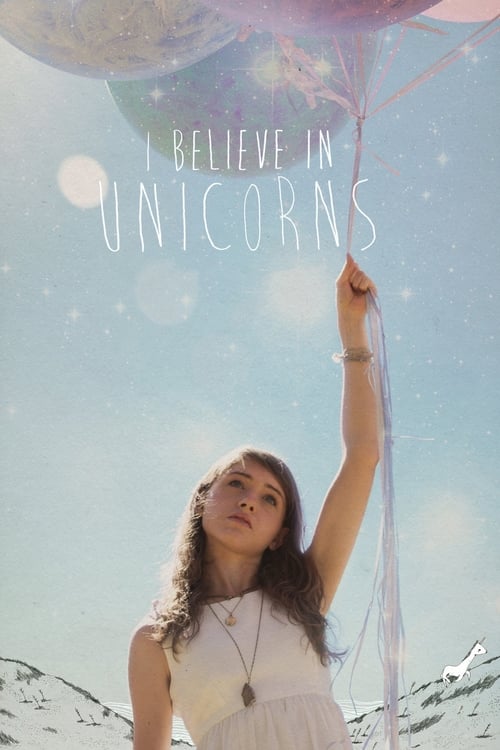
I Believe in Unicorns
Plot
Feeling awkward and isolated, an imaginative and strong-willed teenage girl runs away from home with an older punk rock drifter.
Get the Weekly Woke Watchlist
New and trending movies scored for woke bias, preachy messaging, and forced political themes — before you waste your evening.
No spam. One useful email per week.
Overall Series Review
Categorical Breakdown
The plot focuses on a girl's personal coming-of-age trauma and relationship with a volatile older male, not on broad, systemic issues of race or intersectional hierarchy. Character identity is driven by personal experience and naiveté, not a political lecture on privilege.
The traditional home unit is depicted as fundamentally broken and a source of burden and isolation, with an absent father and a disabled mother whom the protagonist abandons. The narrative frames the home as something to be escaped, which critiques the domestic ideal, but the focus remains on personal rather than civilizational failings.
The core narrative is a clear deconstruction of a heterosexual relationship where the strong-willed female protagonist is victimized by the male. The male love interest is portrayed as toxic, volatile, and abusive, effectively emasculating the traditional masculine protector role and validating the female's subjective experience of finding fulfillment through self-rescue and rejecting the male's chaos. The film is openly championed by its director as a story for a new generation told from a 'decidedly female perspective.'
The story centers entirely on a heterosexual relationship and the main conflict is one of sexual violence and coming-of-age innocence. There are no themes of gender ideology, alternative sexualities, or queer theory present in the central conflict or supporting characters.
There is no explicit hostility toward religion or religious characters. The core moral conflict is a secular one, with the protagonist moving from a state of 'unicorn' fantasy and naive idealism to a grounded, subjective understanding of life's painful realities, embracing a form of emotional moral relativism defined by personal experience rather than objective, transcendent law.
Get the Weekly Woke Watchlist
New and trending movies scored for woke bias, preachy messaging, and forced political themes — before you waste your evening.
No spam. One useful email per week.