Carrie
Season 1 Analysis
Season Overview
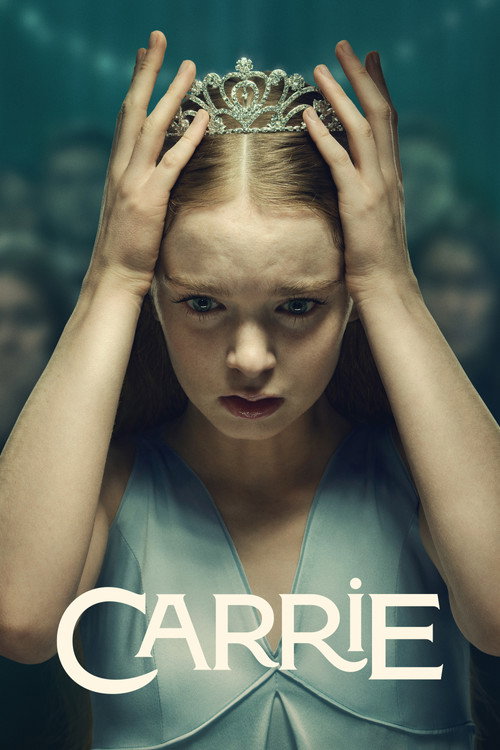
Misfit high schooler Carrie White has spent her life hidden away inside the walls of her home with her fiercely protective mother, Margaret. After her father's sudden, untimely death thrusts her into the unforgiving ecosystem of public high school, Carrie is forced to navigate a viral bullying scandal that tears through her community, the relentless pressure and casual cruelty of the social media age, and the awakening of mysterious telekinetic powers that rise alongside her adolescence.
Season Review
Categorical Breakdown
The production modernizes the classic characters with intentional diversity casting, featuring Indigenous actors as Tommy Ross and Miss Desjardin, and casting a transgender actress as high school bully Tina Blake. However, the narrative does not insert intersectional lecturing or white privilege guilt into the script, keeping the central focus on interpersonal adolescent cruelty and supernatural tension rather than systemic oppression.
The traditional American small town and its local institutions are framed as indifferent, emotionally callous, and complicit in teen abuse, with modern social media turning private cruelty into permanent public spectacles. The White household functions as a claustrophobic compound shaped by isolation and fear of the outside world. The critique centers heavily on suburban hypocrisy and institutional failure, though it does not stage a full-scale spiritual rejection of Western civilization.
The series expands Stephen King's lore by reframing telekinesis as an innate, historic power passed down through an exclusive lineage of persecuted women. Carrie's deceased father is introduced as a controlling patriarch whose dominance enforced Margaret's isolation and subservience. Carrie herself remains sympathetic and vulnerable rather than an infallible girlboss, but the broader story frequently foregrounds female victimization, maternal entrapment, and male aggression.
Transgender actress Josie Totah plays one of Chris's core inner-circle mean girls, Tina Blake, yet her gender identity is completely incidental and never made into a plot point or social sermon. The central teenage relationships remain traditional male-female pairings without lectures on queer theory or deconstructive sexual ideology.
Christian fundamentalism serves as the central catalyst for child abuse, psychological manipulation, and terror inside the White home. Scriptural language and sexual shame are weaponized to suppress Carrie's development and frame her gifts as demonic wickedness. While Margaret White is granted more emotional depth and genuine maternal sorrow than in past film versions, traditional faith is presented entirely as a source of paranoia, control, and destructive delusion.