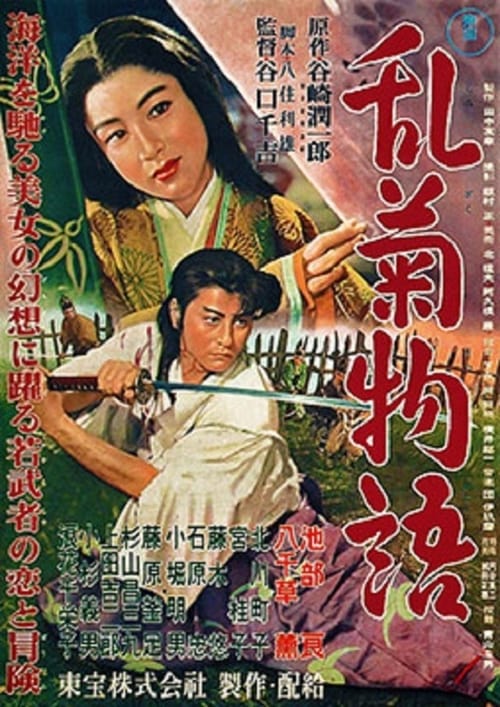
The Maiden Courtesan
Plot
Period romantic drama.
Get the Weekly Woke Watchlist
New and trending movies scored for woke bias, preachy messaging, and forced political themes — before you waste your evening.
No spam. One useful email per week.
Overall Series Review
Categorical Breakdown
The film is a Japanese period piece set in Japan and is historically authentic to its setting. The conflict is based on the class/power struggle of a merchant town against a feudal lord, not on modern race or identity politics. The character's merit is defined by their actions against oppression.
The film critiques feudal oppression, which is a specific political system, not the civilization or culture of Japan as a whole. The narrative promotes communal resistance and autonomy for the town, demonstrating a respect for the core idea of home and justice, which is the opposite of civilizational self-hatred.
The female protagonist, Yōkageri, is a courtesan leader who governs a prosperous, independent town and is a powerful figure of resistance. While she is a dominant figure, the plot is a romantic drama with a competent male hero, the Sea Dragon King, who plays a complementary and protective role in the revenge plot, preventing a 'Girl Boss' narrative from completely emasculating the male lead.
The narrative centers on a traditional male-female romantic pairing and a political/personal revenge plot. There is no indication of alternative sexualities being centered, nor is there any deconstruction of the nuclear family or introduction of gender theory lecturing. Sexuality in the courtesan setting is private to the period drama's themes.
The central conflict is a moral one: a fight for justice and revenge against a tyrannical warlord, Akamatsu. This reliance on an objective moral good (justice) and the absence of any critique of specific religions relevant to the Japanese setting places the film far from moral relativism or anti-theist messaging.
Get the Weekly Woke Watchlist
New and trending movies scored for woke bias, preachy messaging, and forced political themes — before you waste your evening.
No spam. One useful email per week.