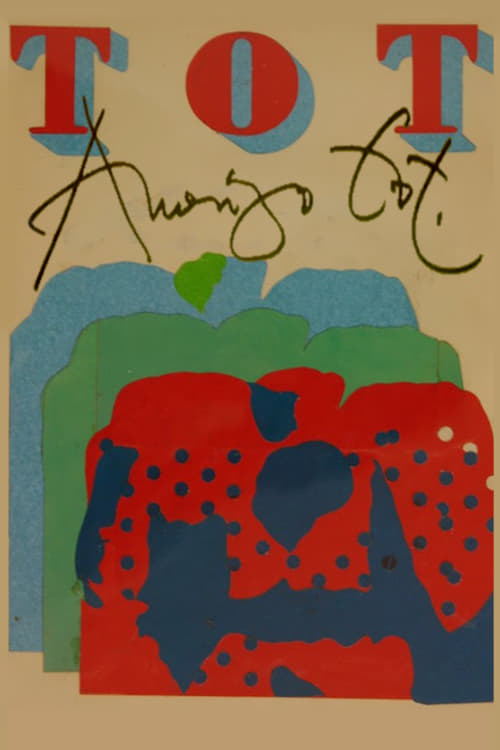
Amerigo Tot
Plot
A short film on Hungarian-born artist and sculptor Amerigo Tot.
Get the Weekly Woke Watchlist
New and trending movies scored for woke bias, preachy messaging, and forced political themes — before you waste your evening.
No spam. One useful email per week.
Overall Series Review
Categorical Breakdown
The film is a documentary portrait of a specific white, male artist. Character is judged solely on the merit of his artistic creations and career. There is no forced diversity, vilification of 'whiteness,' or reliance on intersectional hierarchy. The focus is a universal meritocracy of art.
The narrative centers on the Hungarian-born artist Amerigo Tot, celebrating his work and acknowledging his return to his homeland. While the film was made in a communist state, the inclusion of a scene subtly juxtaposing traditional, religious culture with the state's communist youth group functions as a critique of the totalitarian, secular system. By the given definition, a critique of Communism is not considered Oikophobia; the work respects national and cultural heritage.
The subject is exclusively a male sculptor and his work. The narrative is focused entirely on his creative process and his personal history. There are no prominent female leads, 'Girl Boss' tropes, or anti-natal/anti-family messaging present in the film's structure or themes.
As a 1969 short documentary focusing on the work and career of a male sculptor, the film does not center any form of sexual ideology, alternative sexualities, or gender theory. The structure is normative, focusing on the artist's life and traditional male-female pairing is not a focus.
The film is set in communist Hungary, which was officially atheist. A key scene involves the placement of a 'Holy Mother and Son' sculpture in a church in the presence of the priest and the Young Pioneers, juxtaposing religious faith with the state's official secularism. This suggests that faith and art are a transcendent source of strength and meaning that endures, which is antithetical to Anti-Theism.
Get the Weekly Woke Watchlist
New and trending movies scored for woke bias, preachy messaging, and forced political themes — before you waste your evening.
No spam. One useful email per week.