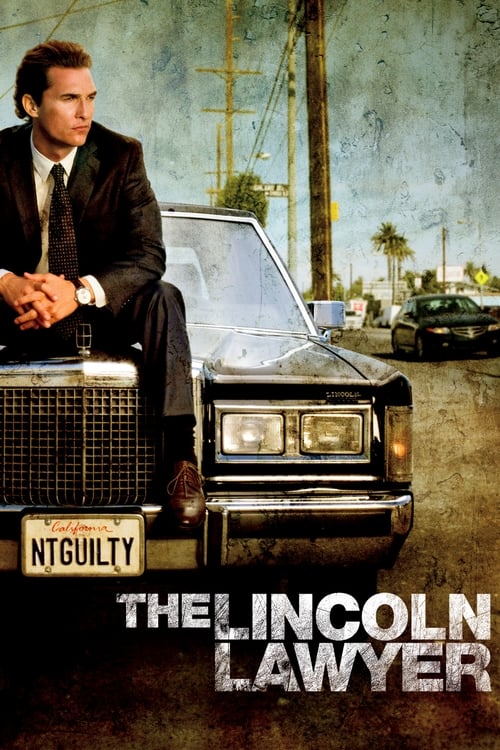
The Lincoln Lawyer
Plot
Mick Haller is a charismatic defense attorney who does business out of his Lincoln Continental sedan. Mick spends most of his time defending petty crooks and other bottom-feeders, so it comes as quite a surprise when he lands the case of a lifetime: defending a Beverly Hills playboy who is accused of attempted murder. However, what Mick initially thinks is an open-and-shut case with a big monetary reward develops into something more sinister.
Get the Weekly Woke Watchlist
New and trending movies scored for woke bias, preachy messaging, and forced political themes — before you waste your evening.
No spam. One useful email per week.
Overall Series Review
Categorical Breakdown
The core conflict pits an affluent Beverly Hills playboy against an impoverished, immigrant former client who was wrongfully convicted, which introduces a theme of justice for the powerless against the privileged. The narrative critiques the corrupting influence of wealth and power, not 'whiteness' as an immutable characteristic. The villain and hero are both white men, and the focus remains on personal evil versus moral duty and atonement, which moderates the score.
The film criticizes corruption within the legal system and the misuse of money by the ultra-wealthy, but it does not frame American culture or Western civilization as fundamentally corrupt or racist. The protagonist's ultimate goal is to find a higher moral ground and correct a systemic injustice, which affirms a belief in the potential for justice within the institutions themselves.
The main female character, Maggie McPherson, is a competent district attorney and the ex-wife of the protagonist. She is a professional peer and a co-parent to their daughter. The narrative features strong women in professional roles, including the villain's wealthy mother, but avoids overt anti-male messaging or 'Mary Sue' tropes, and the concept of family (co-parenting) is not demonized.
The story involves a scene with a gay couple who are witnesses to a crime, and the protagonist expresses disdain for bigoted remarks made against gay men, establishing a baseline of tolerance. However, alternative sexualities or gender ideology are not centered, pushed, or lectured upon; the focus is on the criminal case and legal ethics.
The primary theme is the protagonist's quest for redemption, justice, and adherence to a personal moral code, which suggests a belief in objective truth and a higher moral law, even if it is a secular one. The plot does not feature any anti-religious commentary, vilification of Christian characters, or promotion of moral relativism.
Get the Weekly Woke Watchlist
New and trending movies scored for woke bias, preachy messaging, and forced political themes — before you waste your evening.
No spam. One useful email per week.