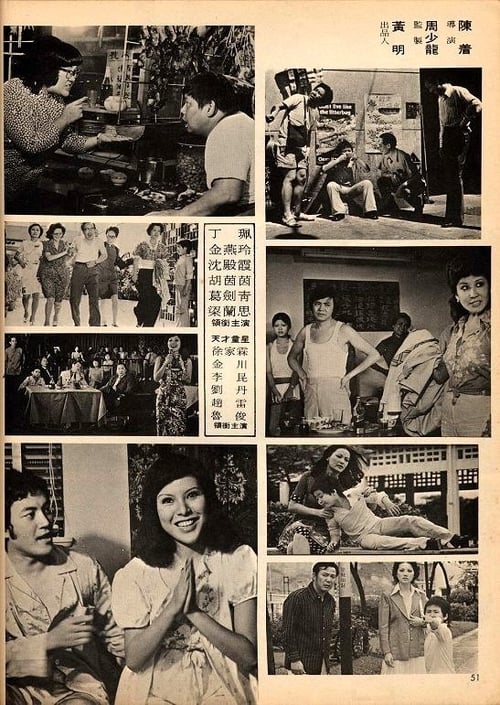
The Wandering Life
Plot
The Wandering Life is a Hong Kong Comedy starring Sammo Hung
Get the Weekly Woke Watchlist
New and trending movies scored for woke bias, preachy messaging, and forced political themes — before you waste your evening.
No spam. One useful email per week.
Overall Series Review
Categorical Breakdown
The core plot is defined by an explicit racial contrast where Chinese protagonists go to a foreign, Western country to defeat antagonists described as 'evil white men'. The narrative relies on immutable characteristics (race and nationality) to define the hero and villain groups, placing competence and virtue entirely on the non-Western/non-white characters.
The story positions the Chinese heroes as superior, arriving in a European setting (part of Western civilization) to dismantle a corrupt or villainous element represented by 'evil white men' and rescue a European princess from them. This frames a segment of Western civilization as fundamentally corrupt and requiring rescue by an external, non-Western force, aligning with the definition of civilizational self-hatred toward the West.
The film utilizes a highly traditional narrative, where the principal goal of the male protagonists is to rescue a 'princess,' functioning as a classic damsel-in-distress trope. The plot does not contain any evidence of 'Girl Boss' tropes, emasculation of males, or anti-natalism; instead, it centers on male physical heroism and protective masculinity.
As a 1975 Hong Kong comedy/kung fu film, the narrative structure and genre focus entirely on action and comedy without engagement in social or sexual ideology. There is no representation, centering of, or lecturing on alternative sexualities, gender identity, or the deconstruction of the nuclear family.
The film is a martial arts comedy with a focus on action and cultural contrast, not on religious themes. There is no indication of hostility toward religion, specifically Christianity, or the promotion of moral relativism, a theme entirely outside the scope of the genre.
Get the Weekly Woke Watchlist
New and trending movies scored for woke bias, preachy messaging, and forced political themes — before you waste your evening.
No spam. One useful email per week.