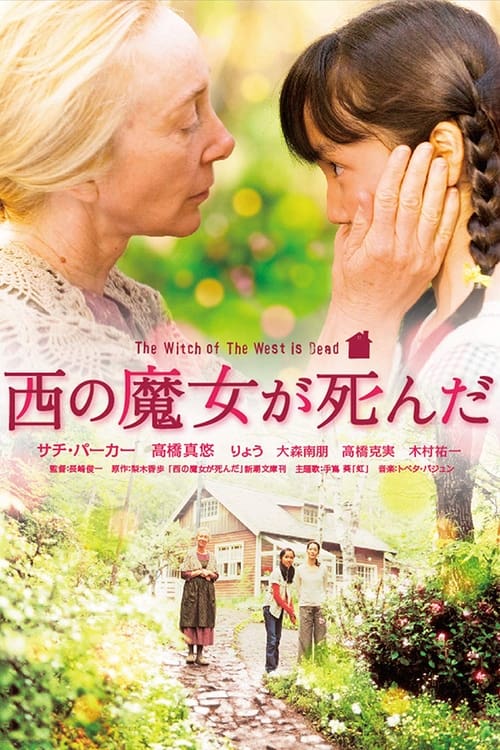
The Witch of the West Is Dead
Plot
A 13-year-old girl named Mai refuses to go to school due to her asthma. Her parents send her to to stay with her British grandmother in the countryside. Thinking her grandmother is a witch, Mai asks for witch lessons. Her grandmother plays along, but instead ends up teaching Mai lessons which help her become more responsible and enjoy the simple aspects of life.
Get the Weekly Woke Watchlist
New and trending movies scored for woke bias, preachy messaging, and forced political themes — before you waste your evening.
No spam. One useful email per week.
Overall Series Review
Categorical Breakdown
The plot's central conflict is Mai's personal struggle with school anxiety and her subsequent journey toward self-improvement, not an issue of systemic oppression. There is a brief, historical mention that Mai's half-Japanese mother experienced racism in school, but this is a background detail, not a driver of the current narrative. Character merit (self-control, responsibility) is the explicit focus of the grandmother's lessons.
The film does not exhibit hostility toward Western civilization. The moral guide, the 'Witch of the West' (the grandmother), is a British woman who models a simple, virtuous life in the Japanese countryside, essentially transplanting and integrating traditional Western values of self-reliance and domesticity with a reverence for nature. The film celebrates a fundamental, ancestral lifestyle, positioning it as an honorable shield against the chaos of modern, fast-paced society.
The core relationship is a positive, nurturing, and complementary bond between a girl and her grandmother. The 'witch's training' celebrates traditional feminine roles, focusing on domestic skills like cleaning, gardening, and making jam, framing them as a source of strength and personal discipline. There is no 'Girl Boss' trope, anti-natalism, or vilification of males; the father is simply absent for work, and the focus is on the maternal/nurturing line.
The movie contains no LGBTQ+ themes, no centering of alternative sexualities, and no promotion of gender ideology. The focus is strictly on the familial bond between a granddaughter and her grandmother. The central family structure is traditional, with the grandmother's home life providing a normative, stable environment.
The 'witchcraft' is explicitly non-magical, representing self-control, objective truth, and a moral structure based on personal responsibility and harmony with nature. The grandmother functions as a source of spiritual and moral wisdom, endorsing a higher moral law through her life lessons. There is no attack on traditional religion or framing of religious figures as villains.
Get the Weekly Woke Watchlist
New and trending movies scored for woke bias, preachy messaging, and forced political themes — before you waste your evening.
No spam. One useful email per week.