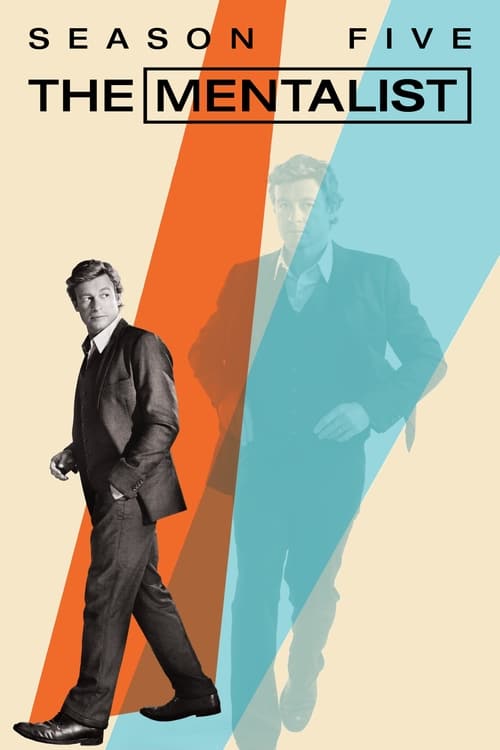
The Mentalist
Season 5 Analysis
Season Overview
The assault, narcotics and fraud charges against Patrick Jane have been dropped and it's back to business as usual. Or business as unusual for Jane, who uses mind games, tricks and his super sharp skills of observation to solve the state's most puzzling homocides. Jane's obsession with finding Red John consumes him every waking moment, drawing him outside the law and closer than ever to the serial killer's true identity. But when Homeland Security and the FBI team up with the CBI on the case, Jane's unorthodox methods antagonize even his most loyal allies. Can Jane's skill and charm continue to see him through? How far is too far?
Season Review
Categorical Breakdown
Characters are judged strictly by their merit, intelligence, and moral actions. Agent Lisbon (female) is the competent boss and Agent Cho (Asian-American male) is a highly disciplined and essential investigator. The narrative does not feature lectures on privilege, systemic oppression, or the vilification of any specific demographic, nor is there any forced insertion of diversity.
The season focuses on corruption within individuals and specific institutions like the CBI or the FBI, rather than framing the entirety of Western civilization as fundamentally corrupt. The team operates as a functional, if flawed, shield for justice. Any critiques are directed at specific moral failures (e.g., corporate greed, cults), not the nation or its heritage.
Agent Teresa Lisbon is a strong, competent Senior Agent in charge of the team, asserting her authority and operational discipline. This is a positive portrayal of female competence. However, the narrative balance is complementarian; Lisbon's rationality is complemented by Jane's emotional and psychological genius. The show does not portray the other male agents as bumbling idiots to elevate her, which keeps the score low.
The season's focus is entirely on a personal crime drama, murder mysteries, and the hunt for a serial killer. There are no plotlines or characters centered on alternative sexualities, gender identity, or queer theory, and the traditional male-female pairings remain the normative standard.
The show frequently features the manipulative and villainous cult 'Visualize' and its leader, Bret Stiles, whose organization is exposed as corrupt and exploitative. This critiques organized, pseudospiritual power and charlatanism (a core theme of Jane's backstory), but is a critique of *false* spirituality and cults, not traditional, established religion, keeping the score low.