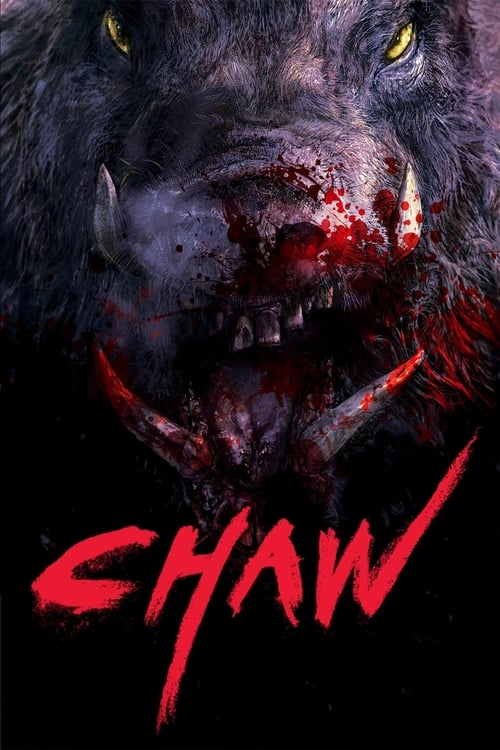
Chaw
Plot
A black comedy about the events that are set into motion in a town after a man-eating boar goes on a rampage.
Get the Weekly Woke Watchlist
New and trending movies scored for woke bias, preachy messaging, and forced political themes — before you waste your evening.
No spam. One useful email per week.
Overall Series Review
Categorical Breakdown
The film is set in South Korea with an all-Korean cast; no forced insertion of diversity or 'race-swapping' is present. Character conflicts are based on individual merit, such as the competence of the scientist or the incompetence of the police, and regional divides between the city and country. The story does not rely on intersectional hierarchy or the vilification of any immutable characteristics.
The film’s critique is aimed at local corruption and greed, specifically the village elders and officials who prioritize the profits from an organic food fair over the safety of the community. This is a targeted critique of modern systemic failings and environmental neglect, not a broad condemnation or self-hatred of Korean culture or ancestors. Core institutions like family (the cop’s pregnant wife, the grieving grandfather) are present without being demonized.
The main female character, Byun Soo-ryun, is a competent wildlife biologist who joins the hunting expedition. She is portrayed as knowledgeable and fearless, an intellectual authority who corrects a male detective who is unfamiliar with her field. However, she functions as a key and capable member of a mixed-gender team, not an instant 'Mary Sue' sole protagonist. The narrative incorporates traditional family dynamics, such as the cop’s relationship with his pregnant wife and mother, with no overt anti-family or anti-natal messaging.
The narrative focuses on a traditional creature feature and adventure plot. There is no presence of alternative sexualities, sexual ideology, or gender theory lecturing. The standard family structure and traditional male-female pairings (such as the main cop and his wife) are depicted as the normative structure.
The core conflict is physical, revolving around a mutant boar, with no overt religious or anti-theistic themes. Morality is objective—killing to save the community is righteous, while the greed of the village leaders is a source of evil. There is no hostility toward religion or a focus on moral relativism.
Get the Weekly Woke Watchlist
New and trending movies scored for woke bias, preachy messaging, and forced political themes — before you waste your evening.
No spam. One useful email per week.