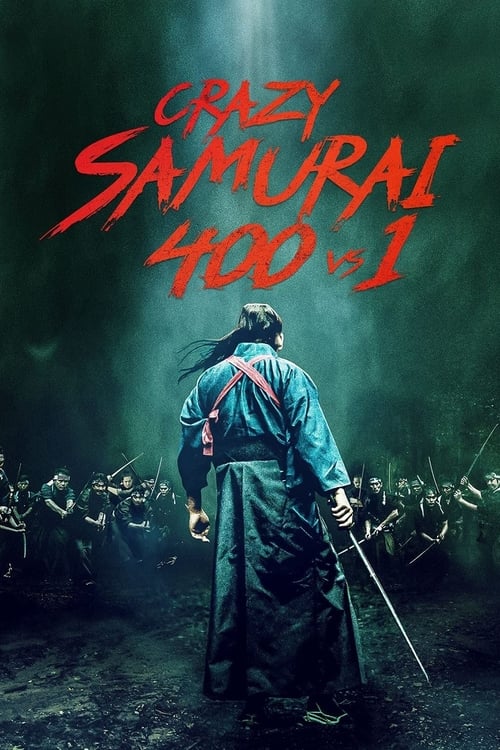
Crazy Samurai Musashi
Plot
In 1604, Miyamoto Musashi attacked the Yoshioka family at their dojo and defeated master Seijūrō and his younger brother Denshichirō in two duels. To save their reputation, the Yoshioka family decides to fight back with all 100 family members and hire an additional 300 samurai. Now Musashi sets out to defeat all 400 enemies in his most famous battle.
Get the Weekly Woke Watchlist
New and trending movies scored for woke bias, preachy messaging, and forced political themes — before you waste your evening.
No spam. One useful email per week.
Overall Series Review
Categorical Breakdown
The film focuses exclusively on the historical Japanese swordsman Miyamoto Musashi and the conflict with the Japanese Yoshioka clan. Characters are judged solely by their skill, tenacity, and honor in battle, embodying the ideal of Universal Meritocracy. The casting is entirely Japanese and historically authentic to the Edo-era setting. There is no presence of anti-white vilification, intersectional hierarchy, or forced diversity.
The movie is a celebration of a foundational figure in Japanese cultural history. The core conflict is driven by the traditional concept of clan honor and vengeance, with the setting and architecture authentically reflecting the Edo-era. The narrative respects the heritage of the samurai and treats the institutions of the time as the uncontested social structure, showing a gratitude for the cultural framework.
The film is overwhelmingly focused on the masculine struggle between Miyamoto Musashi and the male-dominated samurai clans. The plot is a martial contest centered on male honor and skill. There are no prominent female characters in the main conflict, thus eliminating the possibility of a 'Mary Sue' or 'Girl Boss' trope, anti-natalism, or the emasculation of males. The content is an expression of protective and skillful masculinity.
The story is an unrelentingly focused historical action piece about a samurai battle. The subject matter does not include any exploration of alternative sexualities, gender identity, or a critique of the nuclear family. The presentation is rooted in the Normative Structure of the historical Japanese setting, with sexuality remaining private and unaddressed.
The core of the narrative is a test of martial skill and endurance rooted in a traditional honor culture. The film’s philosophical leanings are toward the objective truths of the sword and the warrior’s code, which is an implicit Transcendent Morality. The conflict is secular in nature, being about clan politics and vengeance, and there is no presence of anti-religious sentiment or vilification of any traditional religion.
Get the Weekly Woke Watchlist
New and trending movies scored for woke bias, preachy messaging, and forced political themes — before you waste your evening.
No spam. One useful email per week.