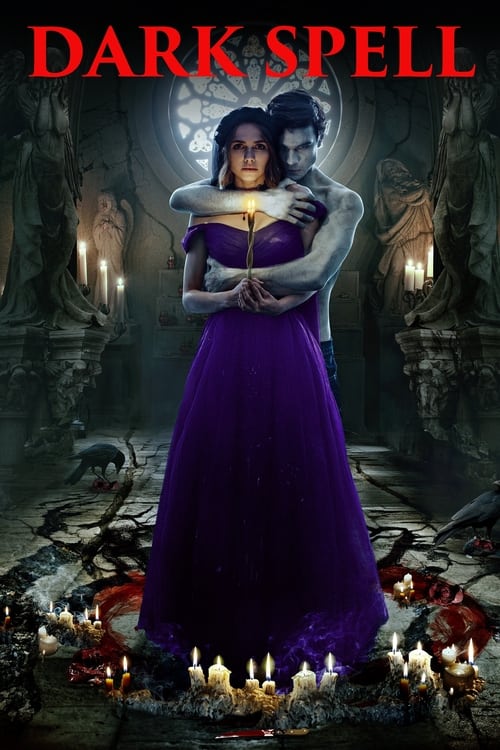
Dark Spell
Plot
Terror strikes when a heartbroken woman uses black magic to get her husband back.
Get the Weekly Woke Watchlist
New and trending movies scored for woke bias, preachy messaging, and forced political themes — before you waste your evening.
No spam. One useful email per week.
Overall Series Review
Categorical Breakdown
The movie is a Russian production focusing on personal drama and supernatural horror. The narrative does not utilize an intersectional framework, nor does it focus on immutable characteristics or privilege to drive the plot. Characters are judged solely by their actions, like the husband's infidelity or the wife's desperation, not their race or identity group.
The film does not contain civilizational self-hatred. It critiques the personal dysfunction of the central family (e.g., the husband's neglect and the mothers' poor advice), but this is a plot catalyst for a horror story, not a broad condemnation of Russian culture or ancestry. The use of a local occult tradition is a genre element and does not frame foreign cultures as spiritually superior.
The female lead, Zhenya, is a wife and mother. She is a deeply flawed character who brings ruin upon herself through a selfish act. Her journey is about undoing a mistake and protecting her family, not about being a 'Girl Boss' or achieving career fulfillment. The main male character is initially a toxic 'dirtbag,' but a secondary male character, Doctor Victor, is depicted as genuinely kind and helpful, indicating balanced character presentation.
The narrative centers entirely on a traditional heterosexual marriage, infidelity, and parenthood. The central conflict is the perversion of this male-female union by a spell called the 'Black Wedding.' There is no presence of alternative sexual ideologies, centering of LGBTQ+ issues, or deconstruction of the nuclear family outside of depicting a dysfunctional one as the catalyst for the supernatural event.
The entire horror plot is a spiritual cautionary tale demonstrating the existence of a powerful, malevolent spiritual reality. The consequences of the black magic spell are severe and irreversible, proving the existence of an objective moral law (the taboo against forced love/dark magic) and a transcendent spiritual order, which counters the premise of moral relativism and anti-theism.
Get the Weekly Woke Watchlist
New and trending movies scored for woke bias, preachy messaging, and forced political themes — before you waste your evening.
No spam. One useful email per week.