Castle
Season 3 Analysis
Season Overview
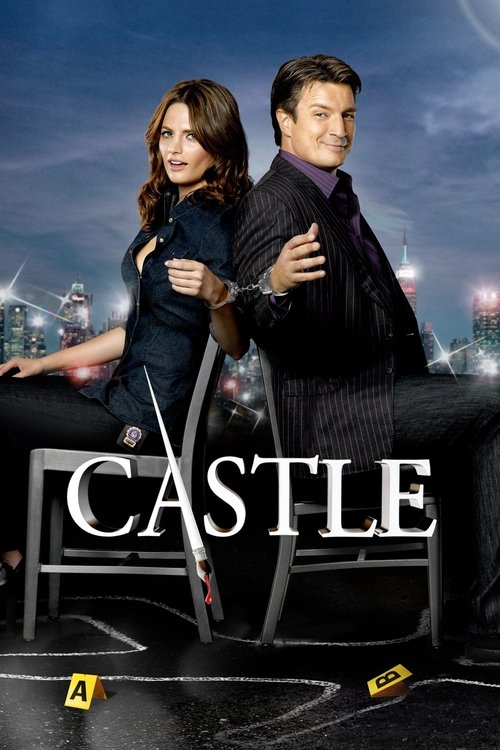
She’s still armed. He’s still dangerous. And their chemistry is hotter than ever. Season three finds both Richard Castle and Detective Kate Beckett pursuing romantic options of their own. Their signals may be crossed, but this duo hasn’t lost any of their spark. With Beckett’s intrepid police work and Castle’s uncanny insight, solving murder has never been so much fun.
Season Review
Categorical Breakdown
Characters earn their positions through professional skill and bravery. Diversity within the precinct feels organic to the New York City setting and is never used as a platform for lecturing on privilege or systemic issues.
The show portrays the American justice system and local law enforcement as fundamental pillars of society. It celebrates the community of New York and the necessity of maintaining social order against criminal chaos.
Kate Beckett is a highly competent detective, but she is not depicted as flawless or superior to her male counterparts. The show emphasizes the mutual reliance and respect between the male and female leads.
The narrative focuses on the heterosexual romantic tension between the main characters and traditional relationship dynamics. The show does not feature gender ideology or prioritize sexual identity over character development.
The series adheres to a transcendent moral law where truth and justice are absolute. It lacks hostility toward religious faith and maintains a traditional understanding of good versus evil.