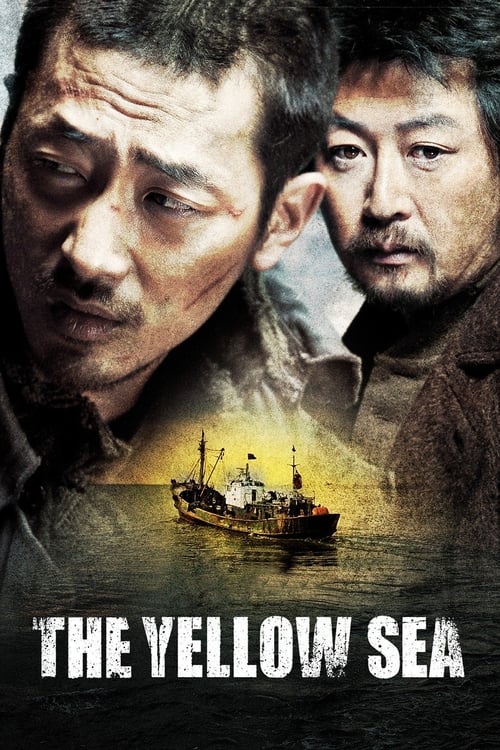
The Yellow Sea
Plot
A Korean man in China takes an assassination job in South Korea to make money and find his missing wife. But when the job is botched, he is forced to go on the run from the police and the gangsters who paid him.
Get the Weekly Woke Watchlist
New and trending movies scored for woke bias, preachy messaging, and forced political themes — before you waste your evening.
No spam. One useful email per week.
Overall Series Review
Categorical Breakdown
The plot directly hinges on the protagonist's identity as a Joseonjok, an ethnic Korean minority in China, whose marginalized status and lack of citizenship privileges drive his desperate plight for money and travel. This is a specific cultural and geopolitical critique of social exclusion, not a broad systemic lecture on privilege, the vilification of 'whiteness,' or forced insertion of diversity.
The world depicted is a hyper-violent, bleak criminal underworld in both China and South Korea, which portrays the lowest elements of society in both nations as corrupt, chaotic, and driven by self-interest. This is an established characteristic of the noir and gangster genre, not an explicit philosophical deconstruction or demonization of the nation's entire cultural heritage or ancestors.
Female characters are extremely marginal to the main narrative, which is driven entirely by desperate men in a violent criminal world. The protagonist's wife is not a 'Girl Boss' but an absent figure who is revealed to be morally compromised, having allegedly conspired for insurance money. The film is intensely male-centric and the gender dynamics revolve around traditional issues of debt, jealousy, and betrayal.
The film is a grim, heterosexual-normative gangster thriller focused on violence, debt, and male survival. There is no presence of alternative sexualities, gender ideology, or deconstruction of the nuclear family beyond the wife's simple absence due to debt and eventual betrayal.
The narrative is steeped in pervasive moral relativism where nearly every major character is deeply compromised by greed and violence, depicting a ruthless world driven by survivalist impulse. However, the film contains no explicit criticism or vilification of traditional religion, specifically Christianity, as the source of evil, maintaining the tone typical of a dark crime thriller.
Get the Weekly Woke Watchlist
New and trending movies scored for woke bias, preachy messaging, and forced political themes — before you waste your evening.
No spam. One useful email per week.