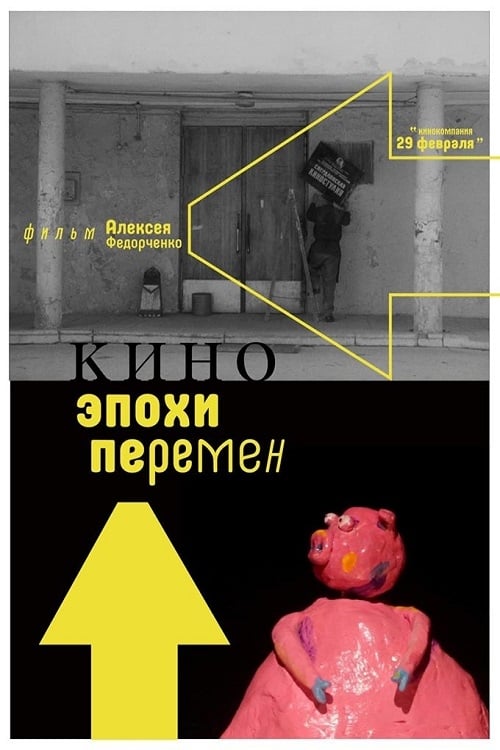
Cinema of Change's Era
Plot
A documentary comedy about how a movie was shot at a provincial studio in the mid-nineties. The film is about the Sverdlovsk film Studio, where sports goods and underwear are sold on the site of pavilions and workshops.
Get the Weekly Woke Watchlist
New and trending movies scored for woke bias, preachy messaging, and forced political themes — before you waste your evening.
No spam. One useful email per week.
Overall Series Review
Categorical Breakdown
The narrative is centered on professional survival and cultural output within the Russian film industry during a specific economic crisis. Character struggles are framed by financial and production issues, not race or immutable characteristics. Casting is naturally authentic to the regional and historical setting without any focus on intersectional hierarchy or political lecturing.
The film critiques the collapse of a Soviet-era cultural institution and the subsequent takeover by Nineties commercialism and crime, which is a specific systemic critique of post-Soviet chaos. The tone is nostalgic for the studio's cultural legacy and respects the ancestors who worked there. This is a critique of a tumultuous economic shift, not a fundamental hostility toward the civilization’s core values.
The core plot is a historical-economic documentary about a film studio, not a gender-focused narrative. There is no evidence of the 'Girl Boss' trope or active emasculation of male characters, as the primary conflict is institutional failure and economic hardship. The narrative does not focus on anti-natalist messaging or career-as-only-fulfillment.
The subject matter is the history and economic decline of a Russian film studio in the 1990s. The film does not center on sexual identity, deconstructing the nuclear family, or gender ideology. The structure adheres to normative social standards for the region and time period without any political commentary on alternative sexualities.
The conflict is between culture and commerce, specifically the decline of cinema culture due to financial pressures. There is no discernible antagonism toward religion, Christianity, or any exploration of faith. The moral framework deals with objective professional and economic realities, not subjective moral relativism or religious bigotry.
Get the Weekly Woke Watchlist
New and trending movies scored for woke bias, preachy messaging, and forced political themes — before you waste your evening.
No spam. One useful email per week.