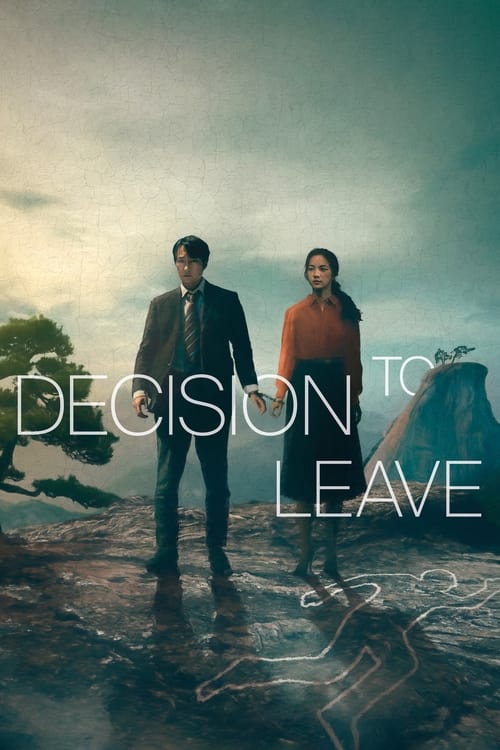
Decision to Leave
Plot
From a mountain peak in South Korea, a man plummets to his death. Did he jump, or was he pushed? When detective Hae-joon arrives on the scene, he begins to suspect the dead man’s wife Seo-rae. But as he digs deeper into the investigation, he finds himself trapped in a web of deception and desire.
Get the Weekly Woke Watchlist
New and trending movies scored for woke bias, preachy messaging, and forced political themes — before you waste your evening.
No spam. One useful email per week.
Overall Series Review
Categorical Breakdown
The film is set in South Korea and its cast is East Asian, making 'vilification of whiteness' irrelevant. The main character, Seo-rae, is a Chinese immigrant, and her status as a foreigner in South Korea is a consistent factor in the investigation, influencing how other characters initially perceive her. This is a matter of national/cultural difference and mistrust, not a lecture on a Western-style intersectional hierarchy; she is judged by her actions as a suspect, not her race.
The narrative is focused on a crime, investigation, and personal obsession within contemporary South Korea. There is no criticism of Western civilization, or any suggestion that foreign cultures or ancestors are morally or spiritually superior to the home culture. The core institutions and national identity of South Korea are an unexamined backdrop for the personal drama.
The female protagonist, Seo-rae, is a powerful, manipulative, and self-directed *femme fatale* figure who operates outside traditional moral and legal boundaries. She uses deception and her perceived vulnerability to gain an advantage over the male detective. The male lead, Hae-jun, is a competent professional whose judgment is compromised and ultimately destroyed by his obsession with her, fulfilling the trope of the destructive, empowering woman and the emasculated male. The detective's marriage is 'lifeless' and fails due to infidelity, and motherhood is not a factor in the story.
The core of the film's conflict and passion is the obsessive, heterosexual dynamic between the detective and the suspect. Alternative sexualities or gender identity are not present in the plot or character definitions. The structure is normative, focusing on the breakdown of a traditional male-female marriage through infidelity.
The story operates in the morally ambiguous realm of a classic film noir, where characters are guided by passion, obsession, and self-serving deception. Characters engage in murder, adultery, and cover-ups, suggesting morality is subjective and defined by personal consequence rather than a higher moral law. There is no explicit attack or hostility toward organized religion or Christian figures; spiritual vacuum and moral relativism are themes inherent to the neo-noir genre.
Get the Weekly Woke Watchlist
New and trending movies scored for woke bias, preachy messaging, and forced political themes — before you waste your evening.
No spam. One useful email per week.