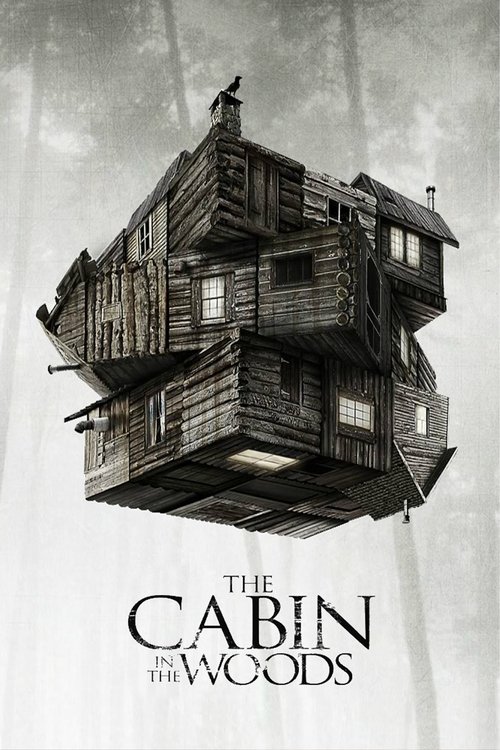
The Cabin in the Woods
Plot
Five friends set out for a weekend at a remote cabin in the woods, expecting nothing more than fun and relaxation. As night falls, they discover that something far more unsettling is at work and that nothing about their getaway is what it seems.
Get the Weekly Woke Watchlist
New and trending movies scored for woke bias, preachy messaging, and forced political themes — before you waste your evening.
No spam. One useful email per week.
Overall Series Review
Categorical Breakdown
Characters are explicitly defined by genre archetypes (Virgin, Athlete, Fool, etc.), not modern race or immutable characteristics. A Black character (The Scholar) is portrayed as intelligent and moral but dies. The two final surviving protagonists are a white male and a white female. There is no direct vilification of 'whiteness'; the antagonists are a diverse group of mostly white, middle-aged bureaucrats running the sacrificial system. The film operates on a critique of traditional tropes, not an intersectional hierarchy.
The entire existing world order, represented by a massive, secret, bureaucratic institution, is framed as fundamentally corrupt and immoral because its survival depends on ritualistic human sacrifice. The final moral decision of the protagonists is to reject this system entirely and allow the 'Ancient Ones' to rise, consciously choosing global, civilizational annihilation (a 'clean slate') over the continuation of humanity under the existing structure. This represents extreme civilizational self-hatred and nihilism.
The film critiques the objectification and stereotyping of women in horror (the 'Whore' is chemically manipulated into becoming a hyper-sexualized 'dumb blonde' and is quickly killed). The primary female protagonist is moral, but she is the one who initiates the horror by reading the Latin incantation. The final antagonist who runs the facility is a highly competent 'Director' (a 'Girl Boss' villain). However, the ultimate hero is the male 'Fool,' who is the most perceptive and moral character, which prevents the narrative from fully committing to the 'perfect female lead/incompetent male' trope.
The story strictly adheres to the sacrificial requirements of archaic horror archetypes (Virgin, Whore, Athlete, Scholar, Fool), all of which are defined in heteronormative terms. Sexual ideology is limited to a commentary on forced heteronormative coupling for sacrificial purposes. No alternative sexualities, deconstruction of the nuclear family, or gender theory is presented as part of the core narrative or critique.
The film presents an 'objective' spiritual truth: that ancient, monstrous gods must be appeased with human sacrifice to sustain the world. The organized system running this ritual is portrayed as an amoral, soulless bureaucracy that has institutionalized murder as its form of 'faith.' The protagonists' final act is to reject this 'higher law' and its 'sacrifices' entirely, choosing moral relativism/nihilism over a transcendent moral order, effectively endorsing a spiritual vacuum leading to the world's end.
Get the Weekly Woke Watchlist
New and trending movies scored for woke bias, preachy messaging, and forced political themes — before you waste your evening.
No spam. One useful email per week.