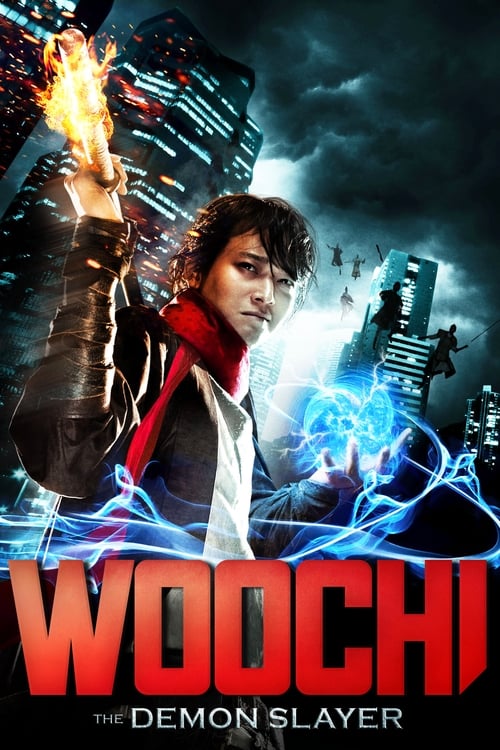
Woochi: The Demon Slayer
Plot
Spanning four centuries in Korea, this epic action-adventure concerns a powerful pipe and a trio of wizards who will do anything to protect it.
Get the Weekly Woke Watchlist
New and trending movies scored for woke bias, preachy messaging, and forced political themes — before you waste your evening.
No spam. One useful email per week.
Overall Series Review
Categorical Breakdown
The narrative is centered entirely within a Korean cultural and historical context, featuring a cast that is culturally authentic to its setting. All characters are defined by their mastery of magic, their moral choices, and their personal flaws, not by an intersectional hierarchy or race. The story adheres to a universal meritocracy of power and skill.
The movie is a non-Western film that draws its core conflict and characters directly from Korean folklore and history, specifically the Joseon Dynasty. The plot involves upholding the order of the Korean world against monsters and a villainous wizard. There is no criticism or hostility directed at Western civilization, as the West is not a subject of the story.
The protagonist is a known womanizer, and his male sidekick is noted for having crude sexual yearnings. Early female roles are depicted as somewhat frivolous or unprofessional. However, the ultimate resolution of the central conflict is achieved when the female lead is revealed to be the Arch-God, the supreme authority who seals away the powerful male villain. This final turn gives the highest moral and physical power to a female figure.
The core relationship is a traditional male-female romance spanning centuries through reincarnation. The only notable gender element is a comedic reveal that the sidekick, who presents as male and has sexual longings, is a female dog magically transformed into a man. This fantastical element serves as a single joke and does not center a political lecture on gender ideology or alternative sexualities.
The entire structure of the story is based on the existence of a higher spiritual order, power, and transcendent morality rooted in Taoist principles. The conflict is an internal battle against a rogue Taoist wizard, Hwadam, who misuses his power, not a condemnation of faith itself. The Arch-God, an objective source of moral law, is affirmed and is the final judge in the narrative.
Get the Weekly Woke Watchlist
New and trending movies scored for woke bias, preachy messaging, and forced political themes — before you waste your evening.
No spam. One useful email per week.