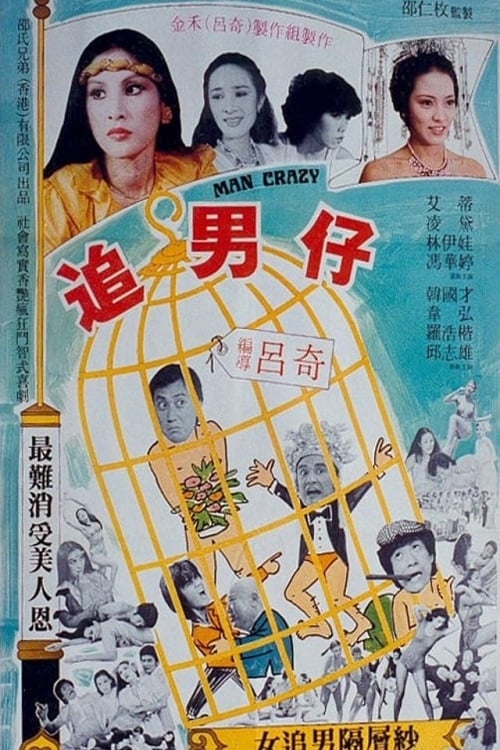
Man Crazy
Plot
shaw production
Get the Weekly Woke Watchlist
New and trending movies scored for woke bias, preachy messaging, and forced political themes — before you waste your evening.
No spam. One useful email per week.
Overall Series Review
Categorical Breakdown
The plot focuses on conflicts between Chinese martial arts schools or between different Chinese historical factions, where merit is based on fighting skill, discipline, and honor. The concept of intersectional hierarchy or the vilification of 'whiteness' does not exist in this cultural and period-specific context.
The film operates entirely within the celebration and context of classical Chinese civilization, history, and martial arts tradition. The heroes' motivations are often driven by upholding the honor of their family, school, or nation, which represents a profound respect for their cultural heritage.
Women are occasionally portrayed as skilled martial artists and take part in the action, giving them agency beyond pure domesticity. However, the narrative backbone still heavily features traditional gender roles, where the primary conflict and leadership roles are almost exclusively held by men (masters, disciples, clan leaders). Motherhood or family honor is a motive, not a prison.
The subject of sexual ideology is not present in the narrative. The focus is on a normative male-female structure, typically involving a brief love interest that is secondary to the central action and revenge plot. The film does not engage with deconstructing the nuclear family or gender theory.
While not a Western religious film, the core conflict is framed by objective moral codes such as honor, revenge, loyalty, and justice, often tying back to the spiritual discipline of martial arts schools like Shaolin. Traditional moral law and transcendent truth in the context of Wuxia ethics are taken seriously; there is no hostility toward religious or philosophical morality.
Get the Weekly Woke Watchlist
New and trending movies scored for woke bias, preachy messaging, and forced political themes — before you waste your evening.
No spam. One useful email per week.