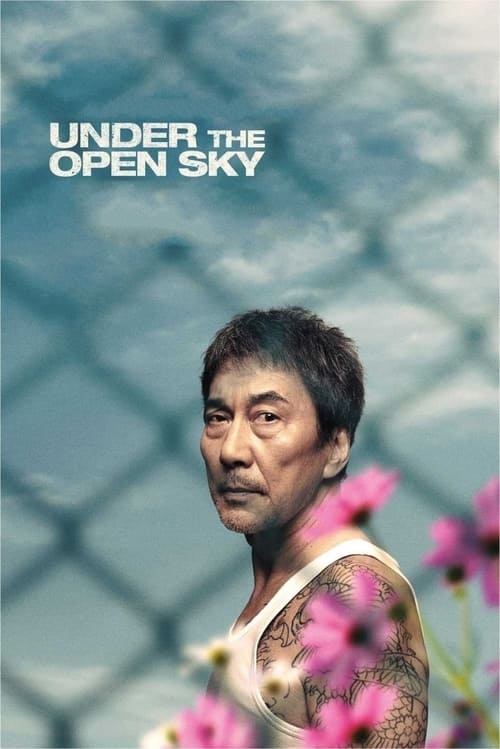
Under the Open Sky
Plot
Mikami, an ex-yakuza of middle age with most of his life in prison, gets released after serving 13 years of sentence for murder. Hoping to find his long lost mother, from whom he was separated as a child, he applies for a TV show and meets a young TV director Tsunoda. Meanwhile, he struggles to get a proper job and fit into society. His impulsive, adamant nature and ingrained beliefs cause friction in his relationship with Tsunoda and those who want to help him.
Get the Weekly Woke Watchlist
New and trending movies scored for woke bias, preachy messaging, and forced political themes — before you waste your evening.
No spam. One useful email per week.
Overall Series Review
Categorical Breakdown
The film's central conflict revolves around the protagonist's status as an ex-convict and former yakuza, a category based on past actions, not immutable characteristics like race or intersectional identity. The story focuses on whether his character and effort can outweigh his criminal record, which is a pure test of individual merit against societal prejudice. The cast is entirely Japanese, appropriate for the setting, and there is no lecturing on privilege or forced diversity.
The narrative offers a critique of a particular aspect of Japanese culture: the crushing emphasis on conformity and the rigid societal exclusion of those with criminal pasts. This is an internal, self-reflective cultural criticism, not a wholesale demonization of 'Western civilization' or an exaltation of external cultures. The protagonist's deep motivation is to find his mother and achieve a stable, accepted life, indicating a desire to belong within his home culture, not a hatred of it. The film also presents characters like his lawyer and social worker as sources of kindness and support, which represent the system's good will.
Gender dynamics are traditional or focus on individual character trauma. The male protagonist, Mikami, is depicted as a man of extreme, often uncontrolled, masculinity and violence, who is not emasculated. His quest is driven by the trauma of being abandoned by his geisha mother, which frames an anti-natal action (abandonment) as a source of profound personal damage rather than a celebration of female liberation. The female characters, such as a sensationalist TV producer or his ex-wife, are complex but do not fit the 'Mary Sue' or 'Girl Boss' tropes.
The film focuses exclusively on the main character's life history, which includes a traditional male-female pairing with his ex-wife and the search for his biological mother. The narrative does not feature or center on alternative sexualities, gender ideology, or the deconstruction of the nuclear family. Sexuality is not a theme for political or social commentary.
There is no overt anti-theism or hostility toward religion presented in the film. The story explores the universal human concepts of moral complexity, the space 'between good and evil,' and the need for personal forgiveness and communal belonging. This focus on ethical ambiguity and the potential for redemption aligns with a transcendent moral law rather than with moral relativism or the vilification of faith.
Get the Weekly Woke Watchlist
New and trending movies scored for woke bias, preachy messaging, and forced political themes — before you waste your evening.
No spam. One useful email per week.