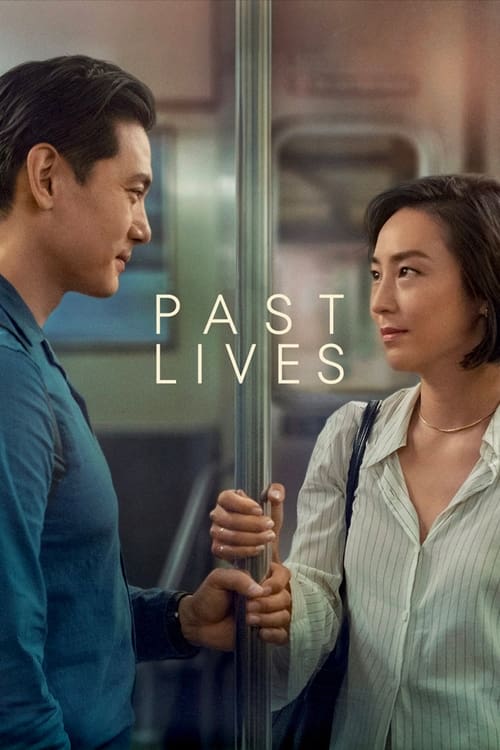
Past Lives
Plot
After decades apart, childhood friends Nora and Hae Sung are reunited in New York for one fateful weekend as they confront notions of destiny, love, and the choices that make a life.
Get the Weekly Woke Watchlist
New and trending movies scored for woke bias, preachy messaging, and forced political themes — before you waste your evening.
No spam. One useful email per week.
Overall Series Review
Categorical Breakdown
The film’s central emotional conflict is framed by the protagonist’s choices regarding culture and race, as her two love interests are a Korean man and a white American man. The white male character, Arthur, is acutely self-conscious of his perceived role as the “evil white American husband” standing in the way of a fated connection, which introduces a meta-awareness of intersectional tropes. However, the film grants all three main characters genuine complexity and avoids reducing the white male to an incompetent or toxic caricature; he is instead portrayed as a kind, supportive husband.
The main character, Nora, chose to leave her home country of South Korea as a child because she saw it as a place that could not satisfy her ambition. Her move to North America and subsequent establishment in New York is an embrace of an ambitious, self-made immigrant life. This framing elevates the 'new' culture as the site of personal fulfillment while characterizing the 'home' culture as the life of lesser possibility, but it stops short of outright demonizing South Korean culture or ancestors. The film respects the non-Western cultural concept of *inyeon* as a spiritual foundation for the relationship.
Nora is depicted as an ambitious, professional playwright who clearly prioritizes her career goals and personal success over the possibility of a romantic relationship, stating she would not miss a rehearsal for a man. This aligns with the 'Girl Boss' trope of prioritizing career as the primary source of fulfillment. However, the film portrays her existing marriage to a man positively, and both male leads are nuanced, kind, and supportive, which prevents a high score on male degradation. There is no discernible anti-natal or anti-motherhood message.
The narrative focuses exclusively on the heterosexual romantic and marital relationship between a woman and two men. The film affirms the structure of a normative marriage and does not feature any elements related to alternative sexualities, gender ideology, or the deconstruction of the nuclear family.
The core theme of destiny is explained through the Korean concept of *inyeon*, a non-Christian, transcendent idea of fate and connection across lifetimes. The film does not contain any hostility toward traditional religion, specifically Christianity, nor does it feature any religious characters in a villainous role. The morality is based on personal choice and emotional connection, which leans toward subjective truth, but without any explicit anti-theist lecturing.
Get the Weekly Woke Watchlist
New and trending movies scored for woke bias, preachy messaging, and forced political themes — before you waste your evening.
No spam. One useful email per week.