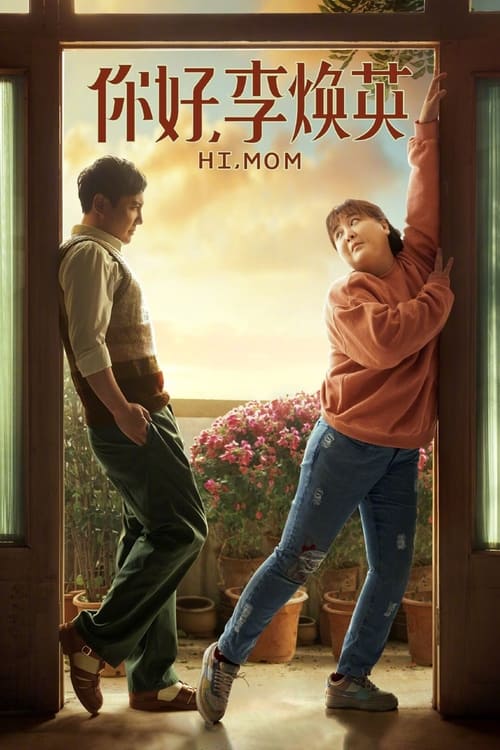
Hi, Mom
Plot
Devastated after her mom's serious accident and grief-stricken because she hasn't become the daughter she wanted to be for her mother, Jia Xiaoling finds herself transported back in time to the year 1981, where she meets her young mother before she was her mom.
Get the Weekly Woke Watchlist
New and trending movies scored for woke bias, preachy messaging, and forced political themes — before you waste your evening.
No spam. One useful email per week.
Overall Series Review
Categorical Breakdown
The film is a Chinese production with a Chinese cast, and the entire plot is focused on universal themes of family, love, and grief, not on race or an intersectional power hierarchy. The characters are judged by their integrity and devotion to family. There is no political lecturing or forced diversity, as the cast is ethnically homogeneous and historically authentic to the setting of 1981 China.
The film is infused with a deep, palpable nostalgia for the simpler times and communal values of 1981 China. It embraces the heritage and environment of the mother's past, particularly the setting of the state enterprise. The narrative is a tribute to the ancestors and home culture, not a critique or deconstruction, showing respect for the sacrifices of the previous generation.
The core of the film is a celebration of motherhood and the maternal relationship, with the central message being the selfless love a mother has for her child. The mother ultimately states she only wants her child to be healthy and happy, directly refuting the 'career is the only fulfillment' trope. The daughter character is a bumbling underachiever, which moves away from the 'Mary Sue' archetype. However, some male characters, such as the wealthy suitor the daughter tries to set up, are portrayed comically as a buffoon or an 'asinine' figure, and one critic noted the movie removes 'the patriarchy' to focus on female cooperation, which registers a minor theme of emasculation/anti-patriarchy.
The film contains no themes, characters, or dialogue related to alternative sexualities, gender ideology, or deconstruction of the nuclear family. The plot revolves around a daughter trying to ensure her mother marries a good man to form a traditional family unit, reinforcing the normative male-female structure as the standard for the narrative's emotional resolution.
The movie operates outside of a Western religious context, focusing on the universal moral and emotional code of filial piety and maternal love. The core themes of familial duty and transcendent love (a mother's unconditional love) acknowledge a higher moral law and objective truth in relationships. There is no hostility toward religion or promotion of moral relativism; the entire moral weight of the story rests on a universally understood goodness.
Get the Weekly Woke Watchlist
New and trending movies scored for woke bias, preachy messaging, and forced political themes — before you waste your evening.
No spam. One useful email per week.