The Crow
Plot
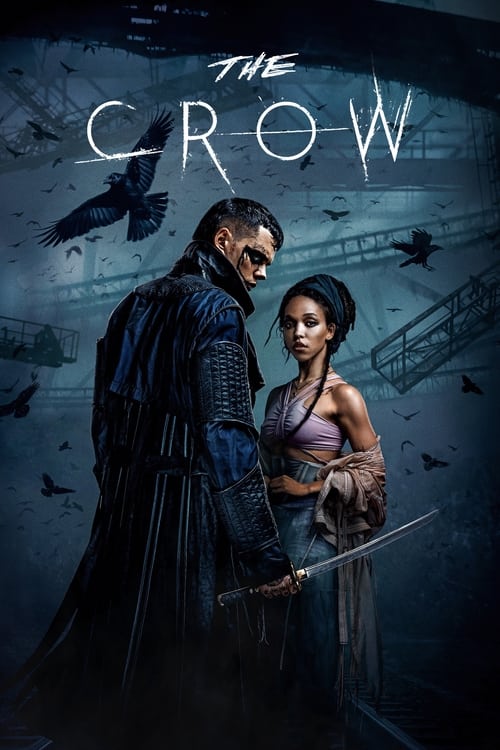
Soulmates Eric and Shelly are brutally murdered when the demons of her dark past catch up with them. Given the chance to save his true love by sacrificing himself, Eric sets out to seek merciless revenge on their killers, traversing the worlds of the living and the dead to put the wrong things right.
Get the Weekly Woke Watchlist
New and trending movies scored for woke bias, preachy messaging, and forced political themes — before you waste your evening.
No spam. One useful email per week.
Overall Series Review
Categorical Breakdown
The character of Shelly Webster is portrayed by a mixed-race/Black actress, diverging from the original source material. Eric is a white male. The plot's main focus is a universal theme of love and vengeance, not a lecture on systemic oppression or privilege. The casting decision represents a clear effort at diversity insertion into an established IP, but the narrative does not rely on race-based identity politics for its core conflict.
The main antagonist is Vincent Roeg, an immortal, demonically-connected crime lord and arts patron. This figure represents an evil rooted in decadence and corruption within the upper-echelons of a modern, likely Western-styled society. The critique is aimed narrowly at this corruption and not at Western civilization, heritage, or ancestors broadly. The metaphysical framework itself draws on traditional concepts of soul, sacrifice, and the underworld.
Eric Draven is portrayed as a vulnerable, 'bumbling' figure who is slower to embrace his powers and is frequently a victim of his own trauma and external forces, which is a shift away from the traditional strong male hero archetype. Shelly is presented as the primary catalyst for the entire plot, possessing the incriminating evidence and having the 'dark past' that drives the action. Roeg's chief enforcer, Marion, is a powerful female secondary villain. This slightly rebalances gender competence dynamics without becoming a full 'Girl Boss' narrative.
The core relationship that drives the entire plot is a traditional male-female soulmate pairing between Eric and Shelly. No evidence exists of alternative sexual or gender ideologies being centered, discussed, or celebrated within the narrative structure. The film maintains a normative structure for the central romantic relationship.
The plot is explicitly structured around a dualistic, objective spiritual system. The villain is an agent of Satan who has made a pact with the Devil to deliver innocent souls to Hell. Eric's journey is guided by a supernatural spirit and culminates in a clear, sacrificial act to save Shelly's soul from damnation. This emphasis on objective good (sacrificial love) versus objective evil (demonic corruption) is a clear rejection of moral relativism.
Get the Weekly Woke Watchlist
New and trending movies scored for woke bias, preachy messaging, and forced political themes — before you waste your evening.
No spam. One useful email per week.