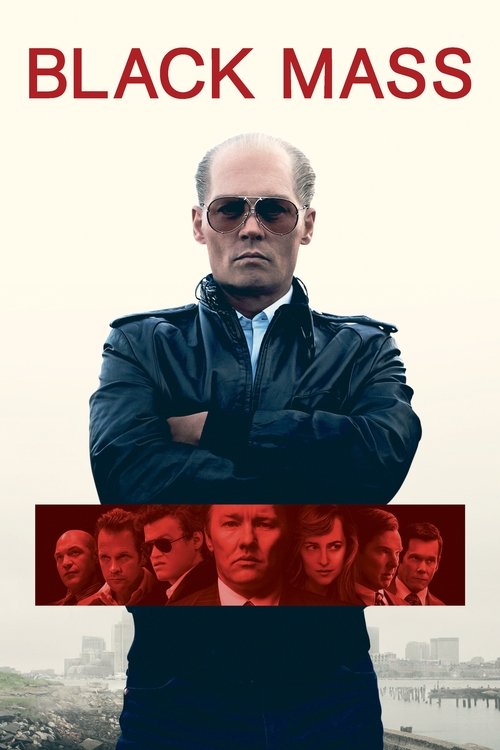
Black Mass
Plot
The true story of Whitey Bulger, the brother of a state senator and the most infamous violent criminal in the history of South Boston, who became an FBI informant to take down a Mafia family invading his turf.
Get the Weekly Woke Watchlist
New and trending movies scored for woke bias, preachy messaging, and forced political themes — before you waste your evening.
No spam. One useful email per week.
Overall Series Review
Categorical Breakdown
The narrative focuses entirely on the true-crime story of specific white characters within a particular Irish-American subculture of Boston. Character motivations center on loyalty, greed, and power, which aligns with universal themes, not intersectional characteristics. Casting is historically accurate to the real-life figures, and the film does not engage in vilification of 'whiteness' or forced diversity; it simply portrays the criminality of a group of white men.
The film does not promote hostility toward Western civilization generally or demonize ancestors. It focuses on the corruption and failure of specific American institutions, namely the FBI and the Massachusetts State Senate, by showing how local loyalties compromise their integrity. The story portrays a dark, secular, and pessimistic view of human nature and political chicanery within a specific American setting, rather than a broad indictment of the nation or its heritage.
The film is fundamentally a 'boy's own affair' focused on the lives of male gangsters, law enforcement, and politicians. Female characters are consistently relegated to supportive or victim roles, such as the wife of the compromised FBI agent or Bulger's girlfriend. No 'Girl Boss' or 'Mary Sue' tropes are present. The narrative does not contain anti-natalist messaging; in one scene, Bulger exhibits paternal instinct upon the death of his son.
The narrative centers entirely on crime, betrayal, and male-female relationships and rivalries. Alternative sexualities or gender ideology are absent from the plot and character development. The film maintains a normative structure where traditional male-female pairings are the standard, without any lecturing or deconstruction of the nuclear family.
The movie is a secular crime drama that focuses on human depravity and moral relativism, portraying characters who prioritize tribal loyalty over a higher moral law. Although the title hints at the Catholic Church's relevance in the neighborhood, the film itself makes clear the church is not a significant factor in the story. It embraces a spiritual vacuum and shows a world of moral bankruptcy, but it does not actively demonize or vilify religious characters or Christianity itself.
Get the Weekly Woke Watchlist
New and trending movies scored for woke bias, preachy messaging, and forced political themes — before you waste your evening.
No spam. One useful email per week.