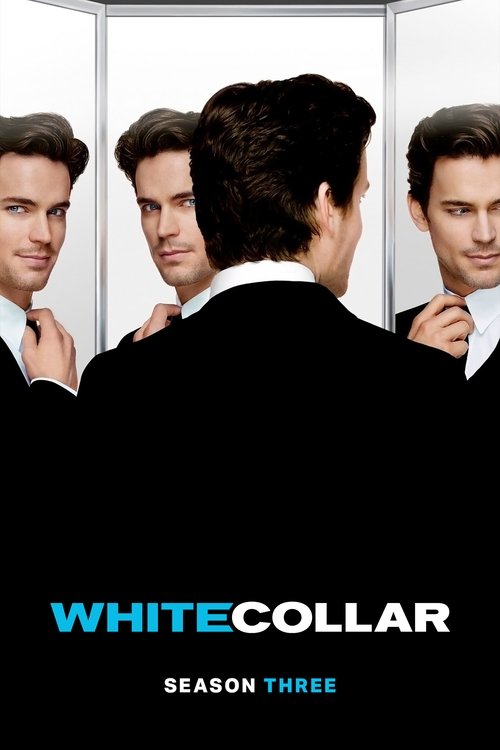
White Collar
Season 3 Analysis
Season Overview
Suave con man turned FBI consultant Neal Caffrey is racing to stay one step ahead of the feds even as he helps his partner, Agent Peter Burke, bring down some of the world's most clever criminals. The stakes are at an all-time high as Neal struggles to come to terms with his own checkered past, but will his greatest con cost him everything?
Season Review
Categorical Breakdown
Characters earn their positions through expertise and professional dedication. Race is never used as a narrative weapon or a tool for lecturing the audience on privilege.
The story treats American law enforcement and Western cultural heritage with reverence. It portrays the protection of history and art as a noble and civilizing pursuit.
Women are depicted as vital, supportive partners and capable professionals. The show avoids the trope of emasculating men, allowing male characters to be strong, competent leaders.
While a lead character is a lesbian, her personal life remains secondary to the professional plot. The traditional marriage of the Burkes remains the moral and social anchor of the series.
The narrative upholds a clear distinction between right and wrong based on objective standards. It respects historical artifacts and traditional values without mocking faith.