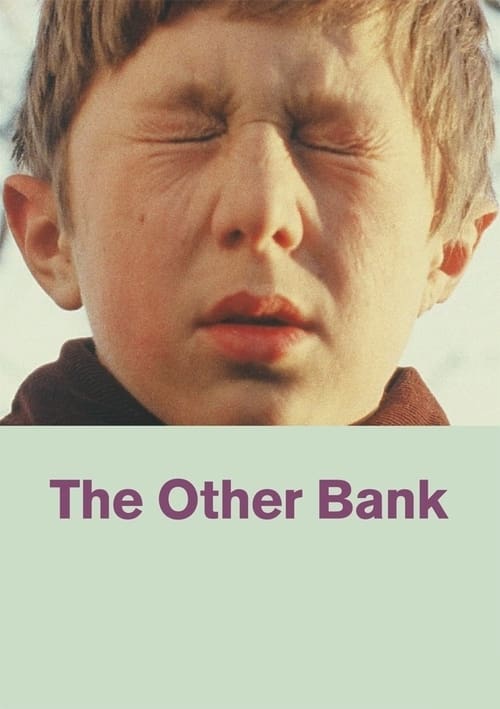
The Other Bank
Plot
Life creates many obstacles for 12 years old boy - Tedo. Tedo belongs to the generation, which was forced to mass displacement because of the civil war in Abkhazia, one of the most beatiful places in Georgia. The civil war took away everything Tedo had, even hope. The film tells about an extraordinary internal drama of a little boy, his thoughts, feelings, pasions, sorrows and efforts to take arms against the difficulties.
Get the Weekly Woke Watchlist
New and trending movies scored for woke bias, preachy messaging, and forced political themes — before you waste your evening.
No spam. One useful email per week.
Overall Series Review
Categorical Breakdown
The film centers on the plight of internal displaced persons (IDPs) and ethnic conflict in the Caucasus region. The character judgment is entirely based on a person’s actions and compassion toward the refugee boy, Tedo. The narrative does not utilize an intersectional lens, nor does it concern itself with vilifying 'whiteness' or forcing diversity, as the cast is regionally authentic to the Georgian-Abkhazian conflict.
The narrative’s core motivation is the protagonist’s desire to return to his ancestral home and reconstitute his family, directly opposing civilizational self-hatred. The harsh reality depicted in both the refugee-hosting city and the war-torn home region serves as a tragedy of war, not a philosophical indictment of Georgian culture or Western values. The criticism is of the chaos of civil conflict, not the fundamental institutions of the nation.
The mother’s storyline is one of immense hardship and economic coercion, forcing her into desperate acts for survival that include prostitution or taking a lover, which shatters the son’s perception of the family. The plot is driven by the boy's effort to find his father and restore the 'intact family unit,' which elevates the traditional protective role of the father. The mother is portrayed as a victim of circumstances, not a ‘Girl Boss’ figure whose career choice brings fulfillment.
The story is solely focused on the traditional nuclear family structure—father, mother, and son—and the traumatic consequences of its forced separation due to war. There is no presence of alternative sexual ideologies, deconstruction of biological reality, or centering of sexual identity as a plot or character element. Sexuality is entirely private and non-ideological.
The film’s moral and spiritual focus is on the human suffering caused by war and the fundamental human need for connection and home. The narrative is devoid of commentary, either positive or hostile, toward traditional religion. Morality is judged by objective acts of kindness or cruelty encountered by the boy on his journey, which implies a transcendent moral law rather than subjective power dynamics.
Get the Weekly Woke Watchlist
New and trending movies scored for woke bias, preachy messaging, and forced political themes — before you waste your evening.
No spam. One useful email per week.