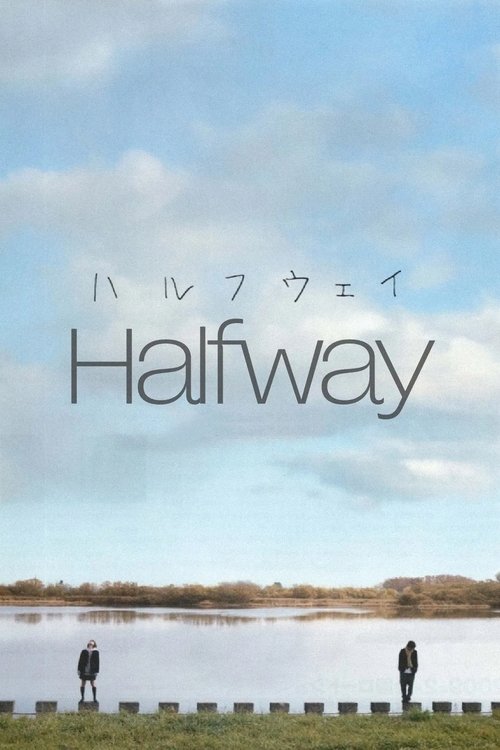
Halfway
Plot
In this high school romance Hiro is dismayed to learn her new love Shu will be going away to college in Tokyo. She asks him not to go.
Get the Weekly Woke Watchlist
New and trending movies scored for woke bias, preachy messaging, and forced political themes — before you waste your evening.
No spam. One useful email per week.
Overall Series Review
Categorical Breakdown
The film focuses entirely on the personal emotional drama of two Japanese high school students. The narrative does not employ race, immutable characteristics, or intersectional hierarchy. Character merit is judged by personal sacrifice and future ambition. There is no lecture on privilege or systemic oppression.
The central conflict involves a choice between staying in a small Japanese town or moving to the big city of Tokyo. This is a classic, universal trope of personal ambition versus home attachment. It does not frame Japanese culture or institutions as fundamentally corrupt or racist. The film maintains a neutral or appreciative view of the local setting and home culture.
The score remains very low because the female lead, Hiro, is not portrayed as a perfect 'Girl Boss.' She is depicted as passionately selfish, with some commentary noting her as a 'spoiled, bratty girlfriend' for demanding her boyfriend sacrifice his ambition. The male lead, Shu, is depicted as a 'nice guy' who is protective and supportive. The gender dynamic is one of romantic conflict and complementary roles, not one that devalues masculinity or promotes anti-natalism, which is not a theme.
The narrative centers exclusively on a traditional heterosexual high school romance between Hiro and Shu. There is no presence of alternative sexualities, deconstruction of the nuclear family, or discussion of gender ideology.
The film is an entirely secular story focused on the personal, relational, and aspirational anxieties of high school graduation. There is no hostility toward religion or Christianity, and no indication that the movie attempts to frame traditional faith as a root of evil. The morality is centered on universal human concepts of love and sacrifice.
Get the Weekly Woke Watchlist
New and trending movies scored for woke bias, preachy messaging, and forced political themes — before you waste your evening.
No spam. One useful email per week.