The Night Agent
Season 2 Analysis
Season Overview
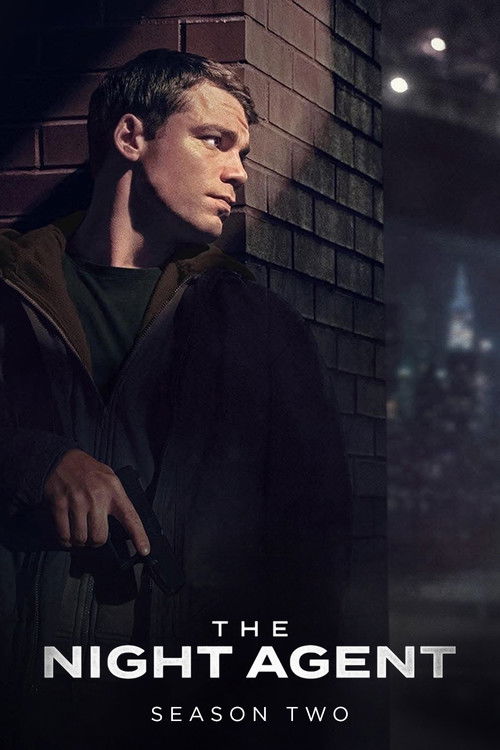
The hunt for a CIA agent accused of leaking secrets puts Peter and Rose in the crosshairs of a ruthless intelligence broker and a deadly war criminal.
Season Review
Categorical Breakdown
Characters are placed within a hierarchy where diversity correlates with competence. White male characters are largely relegated to roles of corruption, greed, or idiocy, while the moral and strategic authority of the Night Action program is represented by a diverse group of women.
The plot focuses on deep-seated corruption within the CIA and the United States government. The narrative suggests that Western military and intelligence institutions are primary drivers of instability, though it balances this by depicting a foreign totalitarian regime as equally ruthless.
The season heavily features the 'Girl Boss' trope, with Rose Larkin acting as a strategic superior to veteran field agents despite her lack of training. The script frequently portrays male characters as incompetent obstacles while framing the female leads as the brains and heart of the operation.
The series remains largely normative, centering on a traditional male-female romantic pairing. While the show utilizes a diverse cast common in modern progressive media, it does not center sexual identity or engage in lectures regarding gender theory.
The show operates in a spiritual vacuum where traditional faith is entirely absent. Morality is depicted as a subjective struggle for power and survival among state actors rather than a commitment to objective or transcendent higher laws.