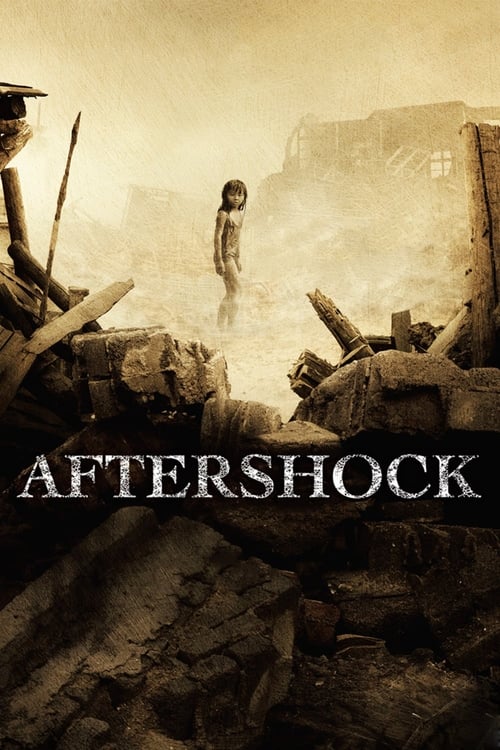
Aftershock
Plot
Tangshan, 1976. Two seven-year-old twins are buried under the rubble of the deadliest earthquake of the 20th century. The rescue team explains to their mother that freeing either child will almost certainly result in the death of the other. Forced to make the most difficult decision of her life, she finally chooses to save her son. Though left behind as dead, the little girl miraculously survives, unbeknownst to her brother and mother.
Get the Weekly Woke Watchlist
New and trending movies scored for woke bias, preachy messaging, and forced political themes — before you waste your evening.
No spam. One useful email per week.
Overall Series Review
Categorical Breakdown
The film does not engage with Western identity politics; it is a Chinese production focused entirely on a Chinese family. The plot centers on a personal moral dilemma, not an intersectional power hierarchy. The sole characteristic-based critique is an internal cultural one, where the mother is shown choosing her son over her daughter, reflecting a societal preference for male children at the time. Character value is based on their decades of suffering and eventual pursuit of reconciliation, demonstrating a universal theme of meritocracy based on the content of their soul.
The narrative is deeply tied to a specific national tragedy, the 1976 Tangshan earthquake, and focuses on the resilience of the community and the Chinese family unit as it endures the trauma. The film functions as a commemoration of loss and a testament to the rebuilding of a city and a family over 32 years. There is no depiction of the home culture or ancestors as fundamentally corrupt, making it an affirmation of civilizational and familial endurance, scoring very low on self-hatred.
The primary female characters are defined by their roles as mothers who experience immense sacrifice, guilt, and emotional agony. The daughter's central decision is to refuse an abortion despite pressure from her boyfriend, a direct and powerful statement against anti-natalism, driven by her own trauma of being 'abandoned' by her mother. The narrative avoids 'Mary Sue' tropes, portraying both mother and daughter as deeply flawed and suffering, aligning with complementarian themes of sacrifice and motherhood.
The story follows the lives of a traditional nuclear family that is tragically broken and spends decades seeking reunion and stability. The entire narrative focuses on the heterosexual relationships of the main characters, including marriage, procreation, and multigenerational family dynamics. There is no presence of LGBTQ+ themes, alternative sexualities, or discussion of gender ideology.
The film’s central themes are forgiveness, compassion, guilt, and reconciliation, all of which are elements of transcendent morality. The moral dilemma—choosing one child to save—is a secular one caused by a natural disaster, not a critique of religion. Traditional religion (in this cultural context) is absent from the conflict, and there is no vilification of faith-based characters. The human spirit's resilience and the need for objective moral goods like compassion are implicitly embraced as the story's resolution.
Get the Weekly Woke Watchlist
New and trending movies scored for woke bias, preachy messaging, and forced political themes — before you waste your evening.
No spam. One useful email per week.