The Vampire Diaries
Season 1 Analysis
Season Overview
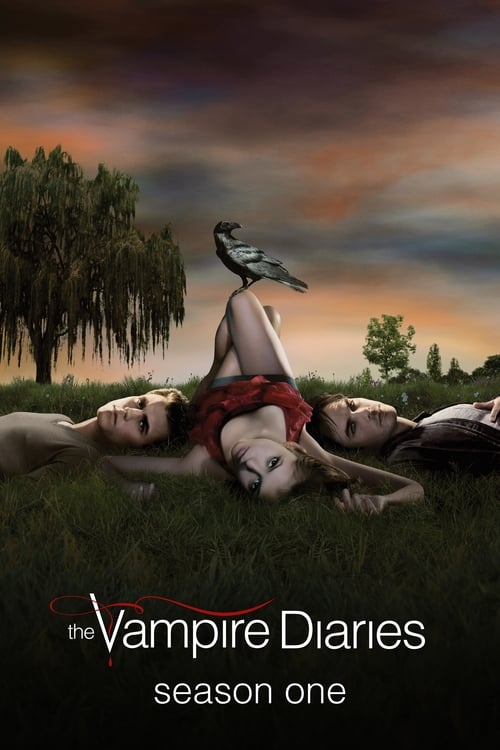
Life hasn't been the same for Elena since the tragic death of her parents, but she tries to pick up the pieces and provide support for her troubled younger brother, Jeremy. On her first day back at Mystic Falls High School, Elena meets the mysterious new guy, Stefan, and the two seeming lost souls form an instant connection. What Elena doesn't know, however, is that Stefan is a vampire, constantly resisting the urge to taste her blood. But Stefan, it seems, has a greater evil to deal with when his dangerous older brother, Damon, shows up to wreak havoc on the town of Mystic Falls — and claim Elena for himself.
Season Review
Categorical Breakdown
The story centers on a romantic conflict between a white female lead and two white male protagonists. The primary characters are judged by their personal moral choices—their content of 'soul' (or lack thereof as a vampire)—not by immutable characteristics. The narrative does not focus on intersectional hierarchy or vilify white identity. Diversity exists, such as the powerful witch Bonnie, but the main conflicts are focused on the white characters.
The conflict stems from the town's Founders, who are revealed to have made mistakes in the past by trapping the vampires, yet they were acting to protect their home from a genuine supernatural threat. The town's institutions, like the Founders' Council, Sheriff, and Mayor, are actively engaged in defending the community, not deconstructing it. The home culture of Mystic Falls is framed as historical and worth protecting, though its history is messy.
The female protagonist, Elena, is defined by her attraction to and relationship with the two male vampires. Secondary female characters, such as Caroline, are often portrayed as boy-crazy, competitive, or needing male validation in the beginning. The central focus is on a traditional, if melodramatic, love triangle, which is contrary to the 'Girl Boss' or anti-natalist narrative, as female agency is consistently constrained by the desires and actions of the male leads.
The season contains no discernible LGBTQ+ characters or overt sexual ideology. The central focus of all major character relationships is the traditional male-female pairing. Sexual themes are entirely within a heteronormative structure, and the show does not attempt to deconstruct the nuclear family as an institution, using the loss of parents as a source of drama for the protagonists.
Traditional religious faith is nearly absent from the story, with spiritual power residing entirely in the non-Christian magic of witches. The moral compass of the characters operates on a secular, relativistic foundation: a vampire’s nature is defined by a choice between personal restraint (Stefan) and hedonistic indulgence (Damon). There is no overt attack on Christianity, but objective truth and higher moral law are replaced by personal, supernatural ethics.