The Vampire Diaries
Season 2 Analysis
Season Overview
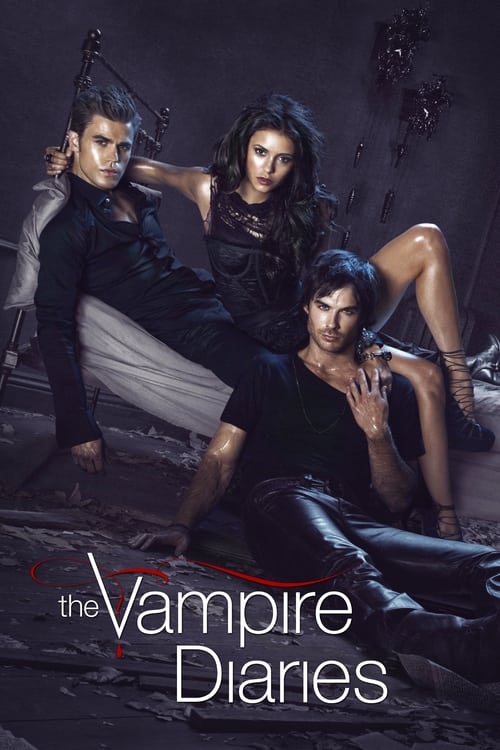
This season, Katherine's appearance in Mystic Falls will throw a wrench into the love triangle between Stefan, Elena and Damon, and the other residents of Mystic Falls must choose sides as they fall victim to a new breed of danger. New and unexpected friendships will be forged, allies will become enemies and hearts will be broken. Plus, Stefan and Damon will be forced to face a villain more evil and diabolical than they thought possible.
Season Review
Categorical Breakdown
The narrative is centered on a predominantly white cast with a romanticized focus on 'Founding Families' and a fictionalized Southern history. Race-based systemic oppression or privilege lectures do not exist within the plot. The sole main character of color, Bonnie, is an extremely powerful witch, but the narrative frequently positions her to suffer or sacrifice her power to save the white leads, a problematic trope that operates in opposition to a modern intersectional critique of 'whiteness.'
The entire premise of the series revolves around protecting the small, historic town of Mystic Falls, its Founding Families, and its annual heritage celebrations. This narrative structure emphasizes defending one's home and ancestors against chaos, represented by invading ancient vampires and newly discovered supernatural threats. There is no civilizational self-hatred or overt demonization of the town's history; rather, the history is a source of conflict and local pride.
Female characters hold significant power, particularly Katherine and the witch Bonnie, and Caroline undergoes a transformation that makes her physically and psychologically stronger. However, the main character, Elena, is the human linchpin of a major supernatural curse and is often the object to be protected or sacrificed, not a perfect, instant 'Girl Boss.' The narrative focuses heavily on the female lead's romantic choice and her connection to a nuclear family structure, which counteracts anti-natalist or anti-family messaging.
The season contains no overt centering of alternative sexualities or gender theory. The core dramatic structure is a heterosexual love triangle. The occasional presence of gay characters is minor, and the primary arc involving a gay parent focuses on the parent's toxicity and rejection of his child rather than celebrating a queer identity or deconstructing the traditional family unit.
The conflict is between supernatural beings (vampires, werewolves, witches) and humans, not explicitly a war against traditional religion. However, the main characters, including the human hero Elena, are shown to consistently make life-altering decisions based on subjective, relative morality—what is best for their chosen 'family' or the greater good—rather than an objective moral law. Villains are presented as 'complex and broken,' which frames evil as a matter of personal damage and circumstance rather than spiritual sin.