Penguin's Memory: A Tale of Happiness
Plot
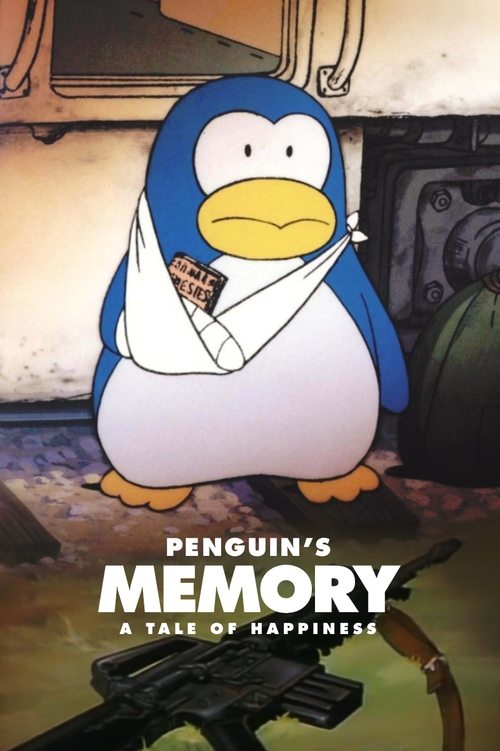
Mike is a penguin soldier who returns home after being injured during combat. Estranged from his family and friends, he leaves his hometown and starts to roam adrift through the country.
Get the Weekly Woke Watchlist
New and trending movies scored for woke bias, preachy messaging, and forced political themes — before you waste your evening.
No spam. One useful email per week.
Overall Series Review
Categorical Breakdown
Characters are all animated penguins, completely removing any possibility of race-based or 'whiteness' vilification. The central drama is based entirely on the character's merit and psychological state (war trauma), not any immutable characteristic or intersectional hierarchy. The narrative is universally character-driven, which aligns with the principle of universal meritocracy.
The narrative criticizes the 'home' or society for its insensitivity to a veteran's trauma and sacrifices, which forces the protagonist to leave home and wander. This is a pointed critique of societal apathy toward its soldiers, not a wholesale demonization of the nation or core civilizational institutions. The primary focus is on the human cost of war, not a desire to frame the home culture as fundamentally corrupt or evil.
The female lead, Jill, is an independent and ambitious singer who takes the initiative to break through the male lead's emotional wall and save him from his trauma. The male lead, Mike, is depicted as emotionally withdrawn and initially broken. This dynamic shows the woman as the primary source of emotional strength, but the overall theme is a complementary romance where she helps the man heal. There is no anti-natalism or messaging that motherhood is a 'prison,' and the female ambition is a personal goal rather than a statement of 'Girl Boss' superiority.
The core relationship is a traditional male-female pairing. The plot summary and themes, which focus on war trauma and romance, contain no elements of alternative sexual ideology, gender theory, or deconstruction of the nuclear family structure. Sexuality remains a private aspect of the main romantic story.
The core themes are psychological trauma, war, romance, and isolation. There is no element of overt hostility toward religion, nor are religious figures depicted as villains or bigots. The morality of the film centers on the objective horror of war and the ethical failing of a society that neglects its veterans, not on a premise that morality is subjective or a 'power dynamic.'
Get the Weekly Woke Watchlist
New and trending movies scored for woke bias, preachy messaging, and forced political themes — before you waste your evening.
No spam. One useful email per week.