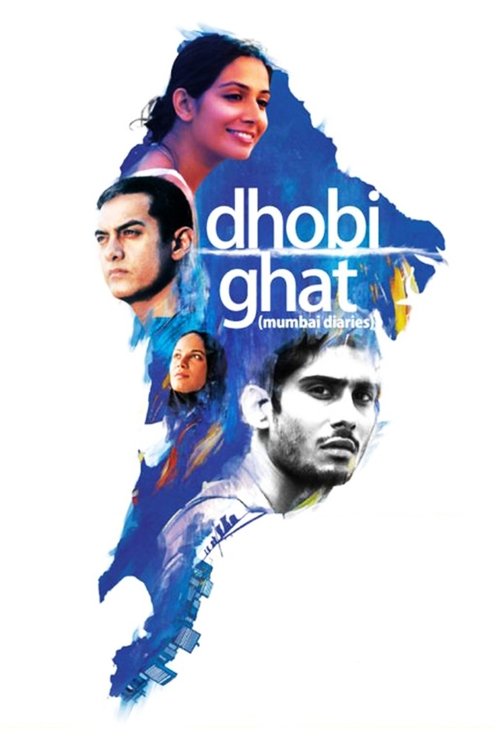
Dhobi Ghat
Plot
Arun is a reclusive and lonely modern art painter. Shai is an American banker who is on a visit to Mumbai. Munna is a washerboy also living near Arun and Yasmin. The movie is about these four characters from different class of society and how the lives of four characters are intertwined.
Get the Weekly Woke Watchlist
New and trending movies scored for woke bias, preachy messaging, and forced political themes — before you waste your evening.
No spam. One useful email per week.
Overall Series Review
Categorical Breakdown
The core plot is a lecture on socio-economic privilege and systemic oppression, explicitly focusing on the chasm between the 'privileged class' (Shai, Arun) and the 'underprivileged chunk of society' (Munna, Yasmin). Character actions are driven by this intersectional class difference. Yasmin’s tragic fate is presented as a direct consequence of her marginalization and lack of agency as a poor newcomer.
The film functions as a tribute to the home city of Mumbai, celebrating its diversity and vitality while providing an internal critique of its social and economic disparities, such as loneliness, poverty, and isolation. This is an honest, complex appraisal of the home culture, not a demonization of ancestors or a framing of the culture as fundamentally corrupt.
The female leads are sexually autonomous and career/hobby-focused, with Shai, the banker and photographer, embodying an independent 'Girl Boss' figure. The dynamic between Shai and Munna features a clear reversal of the male/female gaze, where the man is the object/muse. Munna’s side job as a 'toyboy to elite aunties' supports a theme of emasculation/deconstruction of traditional male-female power dynamics.
The core relationships are traditional male-female pairings, though Munna's transactional sexual relationships with 'elite aunties' are non-normative. The film does not center on alternative sexualities, gender theory, or the deconstruction of the nuclear family as a political project. Sexuality is explored but remains within a largely normative structure.
The narrative does not exhibit hostility toward religion. Characters like Yasmin are identified by their faith (Muslim) as a cultural marker, and the setting includes references to a 'spiritual capital' and the celebration of various festivals. The central conflict is social and existential rather than one of traditional religion versus moral relativism.
Get the Weekly Woke Watchlist
New and trending movies scored for woke bias, preachy messaging, and forced political themes — before you waste your evening.
No spam. One useful email per week.