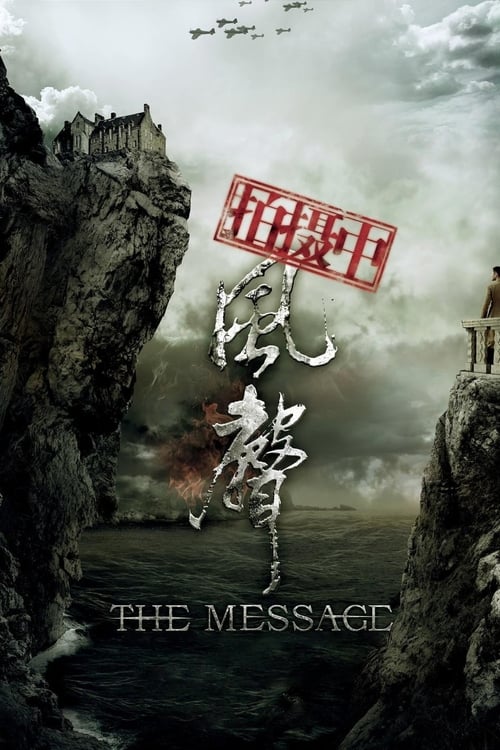
The Message
Plot
After a series of assassinations in Nanking, a Japanese spy master gathers a group of suspects in a mansion, then a tense cat-and-mouse game erupts as the Chinese agent tries to keep his or her identity a secret.
Get the Weekly Woke Watchlist
New and trending movies scored for woke bias, preachy messaging, and forced political themes — before you waste your evening.
No spam. One useful email per week.
Overall Series Review
Categorical Breakdown
The narrative is based on national and ethnic identity: Chinese patriots fighting Japanese occupiers and Chinese collaborators. The focus on this conflict, which is unavoidable in a historical war film, gives identity (nation/race) central importance, but it does not employ the modern intersectional lens or vilification of whiteness. The Chinese characters' merit is defined by their skill as spies and their loyalty to the nation.
The film is a celebration of national resistance and patriotism, showing intense loyalty to the home culture and ancestors who fought the invasion. The primary antagonists are a foreign power (Japan) and Chinese traitors (collaborators), which is the direct opposite of civilizational self-hatred.
Female characters are prominent and highly competent spies who are central to the plot. The female code-breaker is a lead figure who demonstrates immense strength and intellectual skill, but her competence is challenged and tested through suffering, not presented as an unearned 'Mary Sue' perfection. This is a story of merit and sacrifice within a high-stakes, gender-mixed environment.
The plot is a historical espionage thriller focused on patriotism, interrogation, and survival. There is no presence of sexual ideology, alternative sexualities, or deconstruction of the nuclear family. The film adheres to a normative structure by genre and setting.
The film operates on a clear, objective moral law where patriotic sacrifice and loyalty are good, and betrayal, torture, and occupation are evil. This strong moral clarity is an endorsement of transcendent morality over subjective moral relativism. The narrative contains no hostility toward traditional religion.
Get the Weekly Woke Watchlist
New and trending movies scored for woke bias, preachy messaging, and forced political themes — before you waste your evening.
No spam. One useful email per week.