Spartacus
Season 1 Analysis
Season Overview
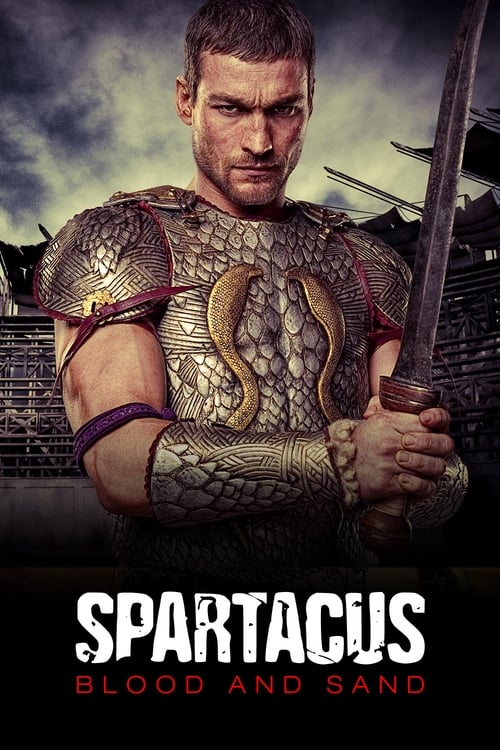
Torn from his homeland and the woman he loves, Spartacus is condemned to the brutal world of the arena where blood and death are primetime entertainment. But not all battles are fought upon the sands. Treachery, corruption, and the allure of sensual pleasures will constantly test Spartacus. To survive, he must become more than a man. More than a gladiator. He must become a legend.
Season Review
Categorical Breakdown
The entire plot hinges on the systemic oppression of non-Roman slaves (Thracian, Gaul, Egyptian, etc.) by the Roman elite, presenting an explicit power-hierarchy conflict where the oppressed group becomes the heroic, multi-ethnic resistance. Characters are judged by their role in this system of bondage and power, creating a narrative that relies heavily on a class/racial-based hierarchy. The Roman oppressors are depicted as universally cruel and morally degenerate.
The dominant Roman culture, an ancestral foundation of Western civilization, is framed as thoroughly corrupt, debauched, and tyrannical. The Roman home—represented by the House of Batiatus—is a viper’s nest of betrayal, greed, and murder. The institutions of Roman law, military, and marriage are depicted as rotten to the core. Moral virtue resides solely with the foreigners and slaves who are fighting against this civilization.
Roman noblewomen like Lucretia and Ilithyia are not physically bumbling, but are masters of manipulation and political scheming, using their limited social power and sexuality to control the men around them, including their husbands and slaves. The narrative showcases the emasculation of male masters like Batiatus who are often merely instruments of their wives' ambitions. A slave woman, Mira, evolves from a subjugated object to a woman actively training in weaponry and determined to define her worth outside of sexual currency.
Alternative sexualities are a normalized, centered element of the narrative from the very first episode. The Roman setting is used to justify the explicit and casual inclusion of homosexual and bisexual relationships among both the gladiators and the elite, such as the prominent, sympathetic, same-sex relationship between Barca and Pietros. The show's creator intentionally includes this content and normalizes it without framing it as an 'exception to the rule' against a normative structure.
While Roman polytheism is the backdrop, the show operates within a deeply amoral, nihilistic world where the gods are largely irrelevant to human action. The Thracian hero, Spartacus, is portrayed as honoring his wife's religious faith but personally dismisses the power of the gods, choosing his own will as superior. The characters' moral compass is determined by visceral motivations like revenge and freedom, completely untethered from any objective, transcendent moral law.