← Back to The Good Wife
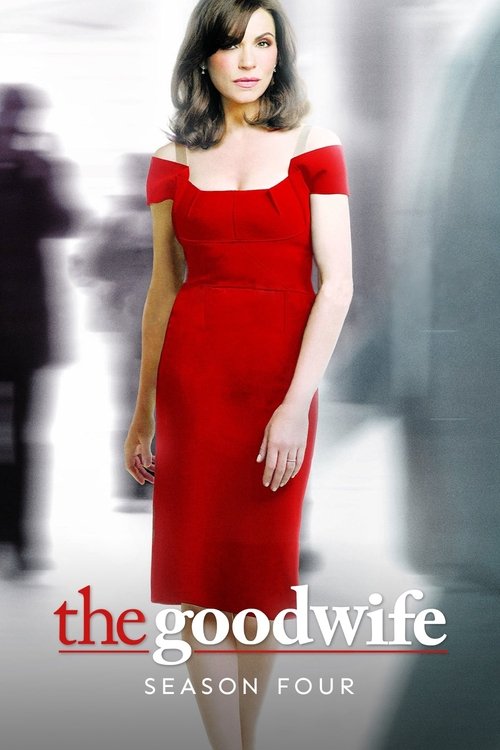
The Good Wife Season 4
Season Analysis

The Good Wife

Season 4 Analysis

Season Woke Score
5.8
out of 10

Season Overview

No specific overview for this season.

Season Review

Season 4 of The Good Wife centers on Alicia Florrick's struggle for professional independence against a backdrop of institutional corruption and political maneuvering. The narrative portrays the American legal and political systems as cynical machines where justice is a secondary concern to power and optics. While characters are multifaceted, the show frequently frames the path to success through the lens of overcoming patriarchal structures and systemic biases. The season maintains a secular tone, where traditional values are often scrutinized or utilized as political tools rather than held as genuine virtues. Despite these themes, the show avoids the total vilification of its male characters, though they often serve as the primary sources of conflict or moral compromise.

Categorical Breakdown

Identity Politics5/10

The plot frequently addresses systemic racial bias in the judicial system and uses racial demographics as a primary lens for political strategy.

Oikophobia6/10

The series portrays the core legal and political institutions of the home culture as fundamentally corrupt, transactional, and morally bankrupt.

Feminism7/10

Female leads are depicted as the most competent and ethically consistent figures, frequently triumphing over a 'boys' club' of corrupt or incompetent men.

LGBTQ+4/10

The show incorporates alternative sexualities and fluid identities as standard elements of the cast without turning them into explicit political lectures.

Anti-Theism7/10

The protagonist maintains a firm atheist stance, while the narrative treats religious faith either as a political obstacle or a naive personal phase.