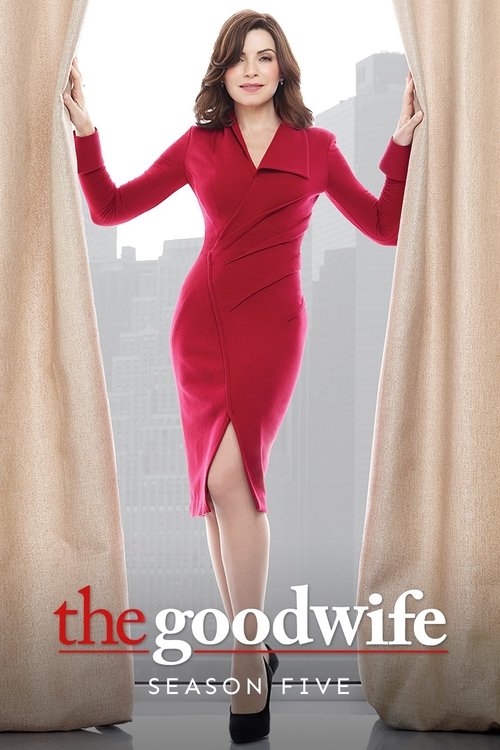
The Good Wife
Season 5 Analysis
Season Overview
No specific overview for this season.
Season Review
Categorical Breakdown
The show uses a diverse cast to reflect the reality of Chicago politics, but characters are defined by their competence and loyalty rather than their place on an intersectional hierarchy. Race is often treated as a tactical tool in the courtroom rather than a moral lecture.
The narrative critiques the corruption within the Chicago political machine but retains a deep, almost romanticized respect for the legal system and the U.S. Constitution.
Alicia Florrick is a strong lead who successfully breaks away from her husband's shadow to build her own empire. While she avoids 'Mary Sue' perfection, the show champions her career-first mentality over traditional domestic roles.
Bisexual and gay characters like Kalinda and Owen are prominent, but their sexual identities are treated as established facts of their lives rather than vehicles for gender theory or activism.
The protagonist is a committed atheist who often views her daughter's burgeoning Christian faith with skepticism or as an intellectual curiosity. While not overtly hateful, the show frames a secular worldview as the default for intelligent adults.