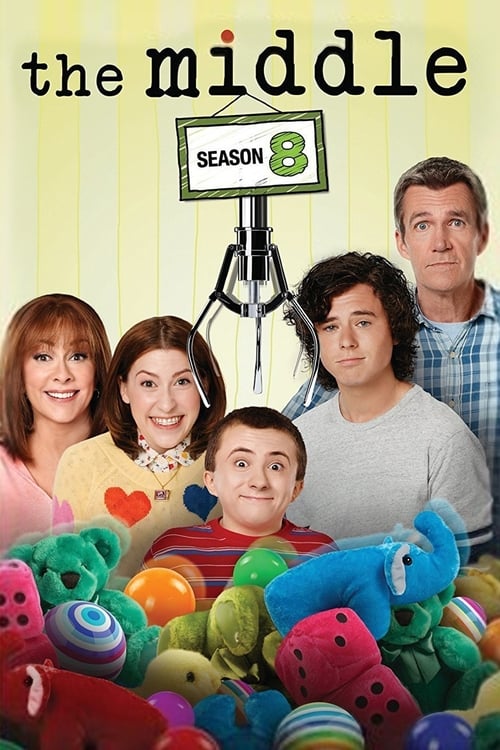
The Middle
Season 8 Analysis
Season Overview
In Season 8, the Heck kids break out of their comfort zones and navigate new situations. Axl discovers the love of his life. Sue changes her major to drama. And Brick has made it his mission to fit in with his high school peers. With an emptier nest, Frankie and Mike cut back on the parental duties – easier said than done as parenting continues no matter where your kids are!
Season Review
Categorical Breakdown
Characters are judged solely by their personalities and merit. The show focuses on the economic realities of the 'flyover states' without indulging in racial grievances or intersectional lecturing.
The series portrays small-town Indiana and traditional American life with affection. It values community, local traditions, and the concept of home as a necessary anchor in a changing world.
The show highlights a balanced parental dynamic where Mike serves as a stoic, hardworking father and Frankie serves as the emotional heart of the home. Sue Heck is the antithesis of a 'Girl Boss,' earning her achievements through relentless effort and frequent failure rather than narrative entitlement.
The nuclear family is the central and celebrated unit of the show. While a supporting character is depicted as gay, the plot does not use this to lecture the audience or deconstruct traditional gender norms.
Religious faith is portrayed as a normal and positive part of the community. The family seeks guidance from their quirky but well-meaning pastor, and Christian values of forgiveness and charity are presented with sincerity.