The Middle
Season 9 Analysis
Season Overview
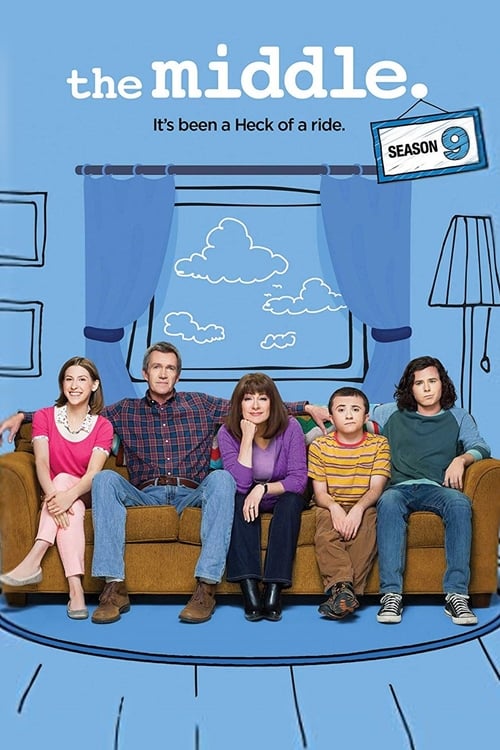
In the ninth and final season, Frankie and Mike had hoped to find themselves with an emptier nest, but with Axl now back at home, they find that hope quickly fading. Meanwhile, Sue and Sean Donahue will have to work out their unrequited feelings. And Brick makes a play to be more popular in high school. But, being a Heck, things almost never go quite as smoothly as you’d like!
Season Review
Categorical Breakdown
The show focuses entirely on the economic and personal struggles of a white, working-class family without introducing intersectional hierarchies or racial grievances. Characters are judged by their actions and individual quirks rather than their immutable characteristics.
The narrative displays a deep affection for small-town Indiana and traditional American life. Orson is portrayed as a stable, meaningful community, and the show rejects the idea that Midwestern values are backward or corrupt.
Frankie Heck is portrayed as a dedicated, albeit chaotic, mother who finds fulfillment in her family rather than a corporate career. Mike is a strong, stoic, and respected father figure, avoiding the 'bumbling dad' trope often found in modern sitcoms.
While the character Brad Bottig is gay, the show treats his orientation as a secondary trait and avoids using him to push gender theory or deconstruct the nuclear family. The traditional male-female marriage of Mike and Frankie remains the central moral and social standard.
Church attendance and religious community are depicted as normal and positive parts of life. The show treats the local clergy and the family's faith with lighthearted humor rather than hostility or mockery.