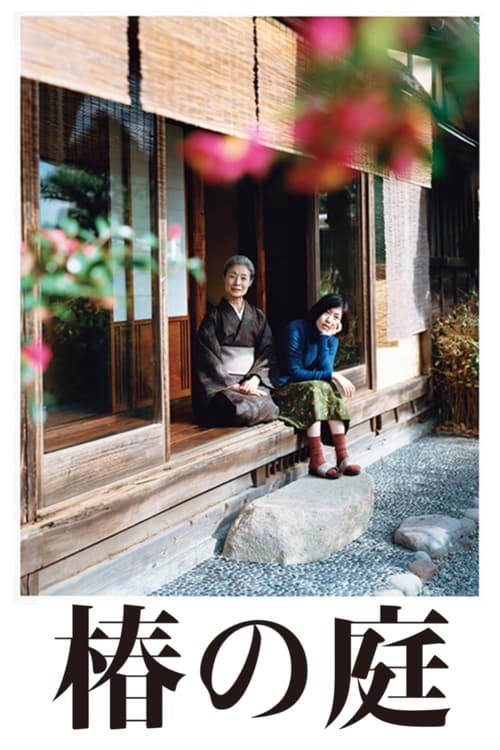
Garden of Camellias
Plot
Kinuko was married to her husband for many years, but her husband passed away. Since then, Kinuko has lived in the same home with her granddaughter Nagisa.
Get the Weekly Woke Watchlist
New and trending movies scored for woke bias, preachy messaging, and forced political themes — before you waste your evening.
No spam. One useful email per week.
Overall Series Review
Categorical Breakdown
The narrative's main conflict is emotional and financial, not political, and characters are judged by their integrity and relationship to family. However, a reviewer notes the granddaughter's half-Korean identity is a point of social difference, which touches on the theme of systemic discrimination against a non-Western minority within a non-Western society. There is no vilification of 'whiteness' or forced Western intersectional messaging.
The film functions as a lament for the potential loss of a traditional Japanese ancestral home (a Meiji Restoration-era house) and its long-established garden. The narrative celebrates the deep connection to home, ancestors, and inherited culture, viewing these institutions as meaningful and worthy of preservation against modern financial systems. This reflects a strong sense of cultural gratitude.
The female leads are portrayed as strong, protective, and emotionally resilient, finding deep meaning in their roles as keepers of the home and memory. The memory of the late husband is honored, and the focus is on the protective strength of the women within the family structure. The narrative presents motherhood and home maintenance as a source of spiritual and emotional strength, not a form of oppression.
The story centers exclusively on the multigenerational nuclear family unit (widow, late husband, daughter, granddaughter). The narrative is grounded in the traditional structure of a male-female pairing and the family line. There is no presence of alternative sexualities, gender ideology, or deconstruction of the nuclear family unit.
The plot incorporates the 49th-day Buddhist memorial ceremony for the deceased husband, grounding the narrative in traditional spiritual and cultural practices surrounding death and memory. The movie approaches death with cultural reverence and acknowledges the importance of spiritual tradition as a source of meaning and structure.
Get the Weekly Woke Watchlist
New and trending movies scored for woke bias, preachy messaging, and forced political themes — before you waste your evening.
No spam. One useful email per week.