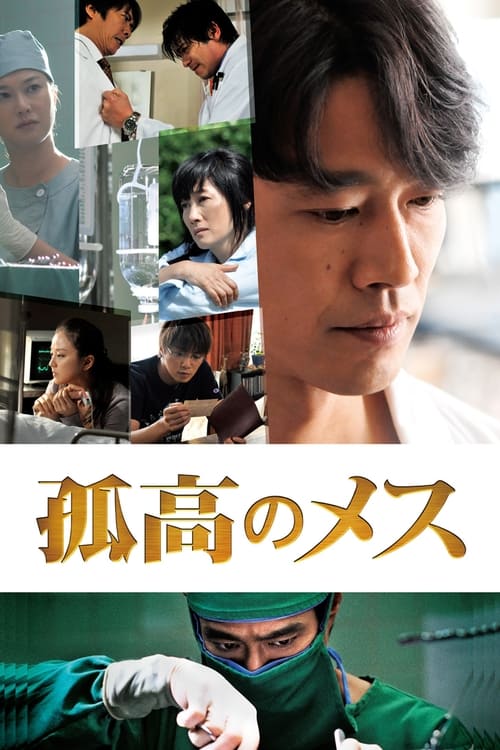
A Lone Scalpel
Plot
Dr Toma, a skilled surgeon, starts work at a regional hospital in Japan. After performing an operation to remove a patient’s liver cancer, something that normally would not be done at this hospital, he quickly gains a very good reputation amongst the town’s people. Some of his colleagues become so jealous they are resentful and waiting patiently for the perfect opportunity to crucify him. Soon they get their chance as Dr Toma considers performing a controversial operation…
Get the Weekly Woke Watchlist
New and trending movies scored for woke bias, preachy messaging, and forced political themes — before you waste your evening.
No spam. One useful email per week.
Overall Series Review
Categorical Breakdown
Characters are defined by professional skill, ethical conduct, and meritocracy in the medical field. The conflict is between professional merit and institutional corruption or jealousy, not intersectional hierarchy or immutable characteristics. Dr. Toma is judged by the content of his character and surgical expertise.
The narrative critiques a specific flawed element of the home culture, which is the restrictive Japanese medical system and the legal/cultural taboos against brain-dead organ donation in the 1980s. This is framed as a push for ethical reform and pioneering spirit within the nation, not as a wholesale condemnation of the civilization. Core themes are ethical perseverance and patient advocacy.
The main female character, Nurse Nakamura, is portrayed as a competent and professional theatre nurse. She is also mentioned as a loving mother who endures sadness. Her role is complementary to the male protagonist's surgical efforts, and the story contains no themes of emasculation, 'Girl Boss' perfection, or anti-natalism.
The entire plot focuses on the intense professional and moral dilemmas surrounding pioneering surgery and organ transplantation laws in 1980s Japan. There is no presence of sexual ideology, gender theory, or deconstruction of the nuclear family within the main themes or conflict.
The core dilemma revolves around the protagonist fighting for a higher ethical standard—saving a life—by breaking an unjust law, which suggests a firm belief in an Objective Truth and transcendent moral law (the value of human life). The narrative does not criticize or attack any traditional religion, focusing instead on professional morality and ethical codes.
Get the Weekly Woke Watchlist
New and trending movies scored for woke bias, preachy messaging, and forced political themes — before you waste your evening.
No spam. One useful email per week.