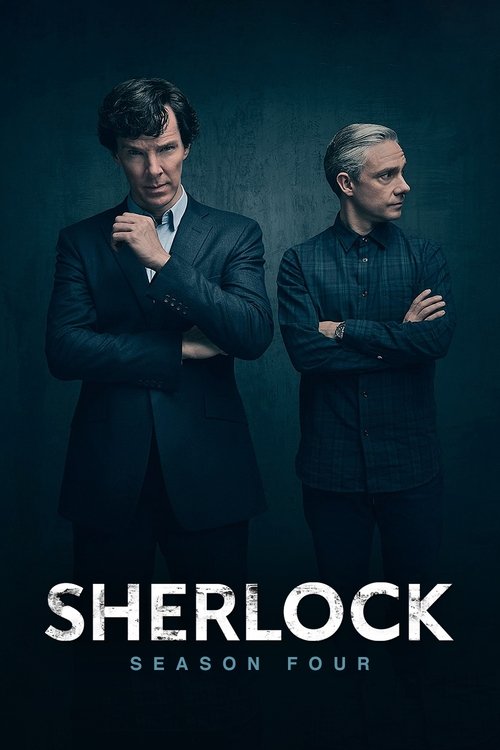
Sherlock
Season 4 Analysis
Season Overview
The fourth series begins with the nation’s favourite detective, the mercurial Sherlock Holmes, back once more on British soil, as Doctor Watson and his wife, Mary, prepare for their biggest ever challenge - becoming parents for the first time.
Season Review
Categorical Breakdown
Characters are judged by their intelligence and personal choices, not by race or group identity. The casting is colorblind without lecturing. The primary conflict involves three white, elite, hyper-intelligent siblings and their white male friend.
The setting and power structures are overwhelmingly British, and the establishment is primarily represented by Mycroft Holmes, a government official. The narrative does not frame Western civilization as corrupt, but focuses the moral drama on the dysfunctional nature of the Holmes family unit itself. The final message is one of Sherlock and John serving as universal heroes, reinforcing a positive purpose within their society.
Mary Watson, the established female lead, is a highly skilled ex-assassin and an ultra-competent character. She gives birth, but her immediate death serves as a plot device to facilitate the emotional growth and recommitment of the two male leads, reinforcing the male partnership over the nuclear family. The final villain, Eurus Holmes, is portrayed as a hyper-genius, superior in intellect to both Sherlock and Mycroft, fitting the 'Girl Boss' trope by making the men look incompetent in comparison. Her motivation is ultimately reduced to a desperate need for a 'hug' from her brother.
The season reinforces the traditional male-female pairing for John, who becomes a father, and his struggles are rooted in the breakdown of this unit. Alternative sexualities and gender ideology are not centered in the narrative, maintaining a largely normative structure.
The core thematic battle is between 'cold-blooded reason' (represented by the amoral Eurus) and human 'love/sentiment' (represented by Sherlock and John). The narrative places subjective, human emotion as the transcendent moral authority. The villain forces the characters into scenarios that deconstruct objective morality, suggesting a vacuum, but the show does not explicitly attack or vilify traditional religious figures.