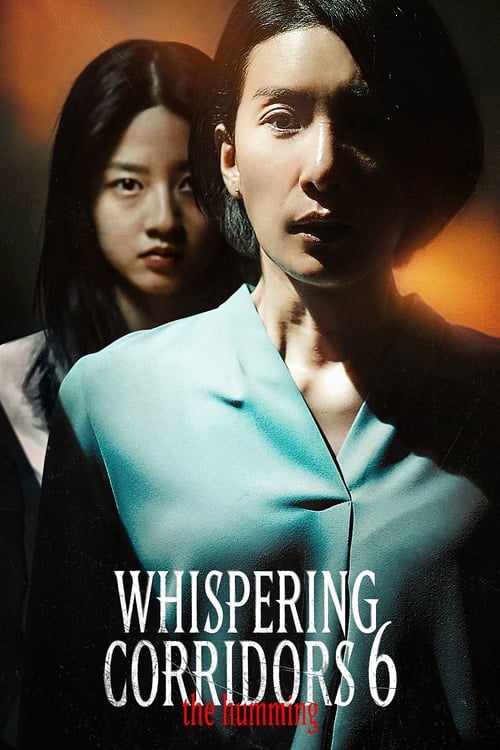
Whispering Corridors 6: The Humming
Plot
After being appointed as the vice-principal of her alma mater, Eun-hee becomes plagued by hallucinations. Branded a troublemaker by the teachers, Ha-young hears strange sounds coming from the school's dilapidated restroom.
Get the Weekly Woke Watchlist
New and trending movies scored for woke bias, preachy messaging, and forced political themes — before you waste your evening.
No spam. One useful email per week.
Overall Series Review
Categorical Breakdown
The plot's entire structure is built around exposing the systemic oppression of female students by institutionally powerful adults. The story privileges the trauma and experiences of the marginalized high school girls over the established authorities. Antagonists are defined not by individual moral complexity, but by their role in maintaining the oppressive, hierarchical system, which is a key component of an intersectional lens.
The film frames the core institutions of South Korean society—specifically the educational system and its underlying patriarchal/Confucian values—as fundamentally corrupt, abusive, and responsible for repeated tragedy. The all-girls school is a metonym for a rotten civilization that must cover up its failures and drive its youth to suicide. This constitutes an intense hostility toward a native culture's central values and structures.
The movie centers the victimized female experience. All main characters are female, while the primary oppressors are institutional figures, including male teachers and administrators, who are portrayed as toxic, abusive, or bumbling. The narrative functions as an indictment of the patriarchal system that facilitates sexual harassment, student-teacher abuse, and the suppression of female agency, portraying men as the dominant source of societal malice and incompetence.
The franchise has a history of addressing same-sex desire and its suppression within the conservative high school environment. While explicit gender theory or transitioning is not central to this installment, the plot involves the suppression of non-normative relationships and an institutional focus on the control of female bodies and desires. This situates the narrative within a critique of the normative structure, although it does not overtly lecture on queer theory.
The core problem of the film is the failure of institutional morality, where characters choose to cover up abuse and death to protect their reputation and power. This focus on a spiritual vacuum and subjective power dynamics, where objective truth is suppressed by those in authority, is central. The franchise has a precedent for critiquing institutional religion as a tool of power, and this film maintains a setting where moral order has completely collapsed within the school's structure.
Get the Weekly Woke Watchlist
New and trending movies scored for woke bias, preachy messaging, and forced political themes — before you waste your evening.
No spam. One useful email per week.