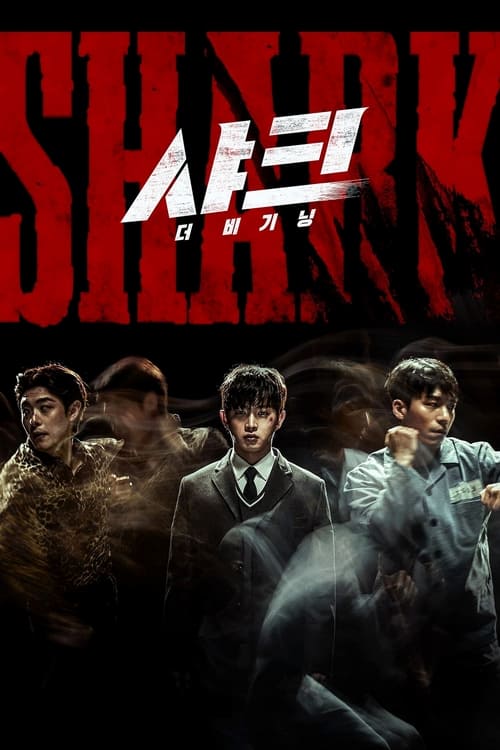
Shark: The Beginning
Plot
A bullied teenager who is locked up at a juvenile detention center due to an unexpected accident, meets a mixed martial arts champion to break through his own limits.
Get the Weekly Woke Watchlist
New and trending movies scored for woke bias, preachy messaging, and forced political themes — before you waste your evening.
No spam. One useful email per week.
Overall Series Review
Categorical Breakdown
Characters are judged solely on their personal strength, moral character, and fighting ability, epitomizing universal meritocracy. The conflict is not based on race, class, or any immutable characteristic; it is a raw power dynamic between a bully and his victim, which the victim must overcome through personal effort. The cast is culturally authentic to the South Korean setting, and the themes of systemic oppression are entirely absent.
The narrative is focused on the personal drama and conflict within a specific cultural setting (South Korea) without any critique or vilification of the civilization itself. The goal is personal survival and justice within the existing societal structure, not a deconstruction of heritage. The mentor character's motivation includes avenging his family, which frames the institution of family as something worth protecting.
The story is heavily male-centric, focusing on the protagonist's development of traditional masculinity and combat skills in a boys' correctional facility setting. The narrative emphasizes a male's journey from weakness to strength. Due to the lack of major female characters, there is no opportunity for 'Girl Boss' or 'Mary Sue' tropes, and the concept of emasculation is reversed, with the male lead actively gaining vitality and protective masculinity.
The plot contains no explicit or implicit themes related to alternative sexualities, gender ideology, or the deconstruction of the nuclear family. The relationships are focused on male-to-male mentorship and physical conflict, keeping all sexual and gender ideology outside the narrative's scope.
Religious themes are non-existent. The moral framework is based on individual justice, vengeance, and a code of fighting honor established in the prison, focusing on physical/emotional transformation rather than spiritual morality. The conflict is grounded in human action and consequence, not a debate on objective moral law or hostility toward specific faiths.
Get the Weekly Woke Watchlist
New and trending movies scored for woke bias, preachy messaging, and forced political themes — before you waste your evening.
No spam. One useful email per week.