The Walking Dead
Season 7 Analysis
Season Overview
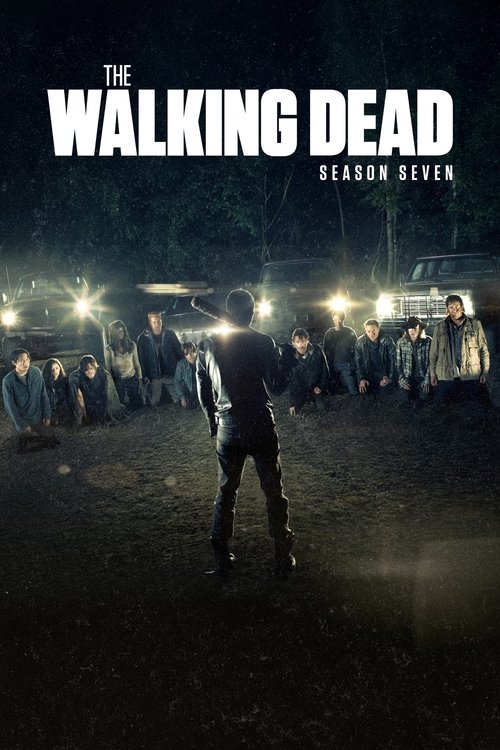
Rick and his group's world becomes even more brutal due to Negan's deadly example of what happens if they don't live under his rules. Everyone must begin again.
Season Review
Categorical Breakdown
The overall cast is highly diverse, and characters are judged primarily by competence and moral choices, not by immutable characteristics. However, the season prominently features an incompetent white male leader (Gregory of Hilltop) and a brutally evil white male tyrant (Negan). The strongest, most benevolent new leader is King Ezekiel, a strategic and theatrical Black male. The narrative arc shows a multi-racial alliance, spearheaded by Black and female characters, uniting against the white male antagonist, which slightly pushes the score higher than a 1.
The plot centers on a fight for community, institutions, and home against a tyrannical force. Rick's group and the allied communities are fighting to protect their way of life and rebuild civilization, viewing their communities as shields against anarchy. There is no sustained narrative hostility toward a Western-based civilization, only toward the anarchy and brutality embodied by the Saviors.
The score reflects the powerful and intentional elevation of female characters into leadership roles. Maggie and Sasha transform into fierce, competent leaders through sheer determination and merit following trauma. The Oceanside community is an all-female, highly effective society, which exists explicitly because the villainous Negan slaughtered every male over the age of ten, providing a narrative catalyst for a highly gender-separated and female-led world. The portrayal of strong female leadership is pervasive, sometimes contrasted with the emasculated or psychologically broken state of the male protagonist.
The gay couple, Aaron and Eric, remains present and integral to the main group. Their status as husbands is normalized and treated with a matter-of-fact inclusion that is not centered around ideological discourse. The focus on their relationship is an honest disagreement over joining the war, a choice rooted in personal stakes, not sexual identity, which aligns with a normative structure.
The spiritual character, Father Gabriel, completes a major redemption arc this season, transitioning from a cowardly and self-loathing hypocrite into a trusted, capable member of the inner circle. His Christian faith is portrayed as the source of his moral strength and renewed commitment to self-sacrifice, ultimately serving as a source of transcendent morality in the savage world.