The Walking Dead
Season 9 Analysis
Season Overview
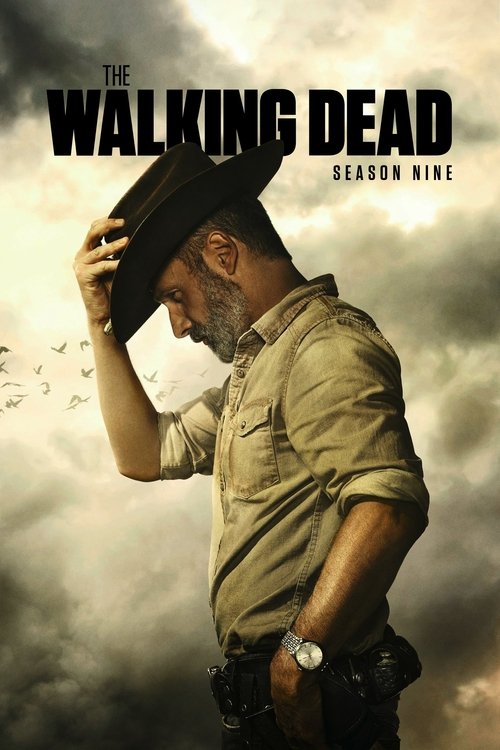
With the defeat of Negan and the Saviors, the survivors are now rebuilding civilisation under Rick’s leadership. However, the group are forced to face their biggest threat yet as the walkers around them have started whispering.
Season Review
Categorical Breakdown
The main heroic leader, Rick Grimes (white male), is written off the show, and his leadership role is immediately filled by Michonne (Black woman) in Alexandria. The new group of survivors introduced is a highly diverse cohort, including a Black deaf woman and an East Asian woman. While the characters' competence is not diminished by their immutable characteristics, the narrative actively elevates a heavily diverse and female leadership structure in the wake of the white male hero's departure.
The season is fundamentally about successfully rebuilding society—creating laws, building structures like the bridge, and establishing trade between settlements. The main antagonists, the Whisperers, are a literal 'Noble Savage' threat that rejects all tenets of civilization to live as animalistic, anonymous nihilists, making the protagonists the clear defenders and restorers of organized, Western-style society. The narrative praises the institutions being built.
The core leadership structure of the allied communities shifts to be overwhelmingly female, with Michonne, Maggie, Carol, and Tara acting as heads or key strategists. The primary villain, Alpha, is also a highly competent and ruthless female leader, representing the ultimate 'Girl Boss' nihilism. The former main male hero is removed, and his replacement is a Black woman who manages her leadership while being a mother of two, which grounds the character but elevates the 'Girl Boss' archetype.
The season normalizes alternative sexualities through multiple prominent characters. The new survivor group includes an established lesbian couple, Magna and Yumiko, whose relationship is portrayed as a natural part of their lives, and Yumiko is established as a competent East Asian leader. This inclusion moves the show beyond a normative structure by making same-sex relationships commonplace within the main ensemble.
The series maintains its long-running theme of secular humanism, where morality is debated and decided by the survivors themselves (Rick's justice versus Negan's brutality). Father Gabriel, a Christian priest, remains a main and generally heroic character whose faith is a source of strength and diplomacy, indicating that the show does not vilify traditional religion or its adherents.