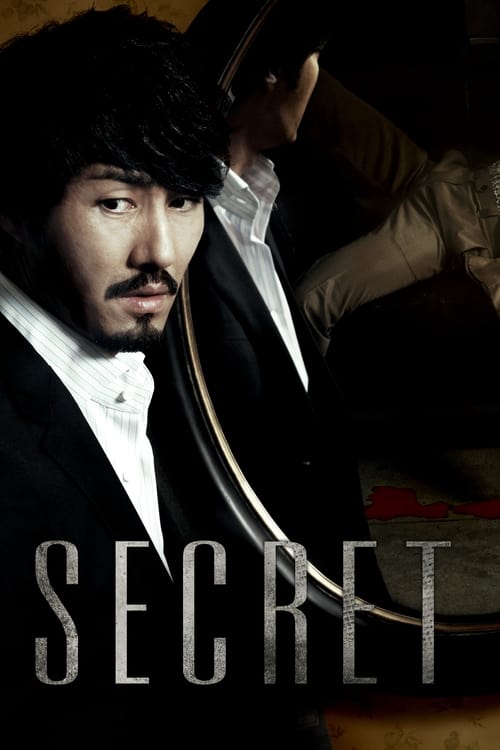
Secret
Plot
A detective suspects that his wife murdered a gangster's brother. As he tries to misdirect the police and the bloodthirsty gangster while independently investigating his wife, terrible secrets slowly begin to surface.
Get the Weekly Woke Watchlist
New and trending movies scored for woke bias, preachy messaging, and forced political themes — before you waste your evening.
No spam. One useful email per week.
Overall Series Review
Categorical Breakdown
The movie is a South Korean production with a Korean cast and setting, and the conflict centers entirely on a detective's personal and moral failings, guilt, and loyalty to his wife. Character merit and moral choices, such as infidelity and covering up a crime, are the core narrative drivers. The film does not engage with an intersectional hierarchy or vilification of a specific race or immutable characteristics.
The narrative is a crime noir set in South Korea, featuring corruption within the police and the moral bankruptcy of the criminal element. This is a genre convention of internal critique focusing on individual and institutional flaws, not a broad ideological condemnation framing the entire national or cultural civilization as fundamentally corrupt or racist. No external culture is depicted as spiritually or morally superior to the setting.
The female lead is central to the mystery and is a complex character defined by profound grief and secrecy related to the death of her child and her husband's betrayal. The man is depicted as morally compromised, being an adulterer who caused a tragic accident. The film portrays a dysfunctional marriage under extreme stress. It does not contain a 'Girl Boss' trope, nor is there any anti-natalist or anti-family messaging, as the loss of a child and the breakdown of the family unit are the sources of the central tragedy.
The movie’s focus is exclusively on the heterosexual marriage between the detective and his wife, complicated by his heterosexual affair. The plot and reviews indicate a classic crime thriller structure that does not introduce or center on alternative sexualities, queer theory, or any deconstruction of the nuclear family beyond the natural destruction caused by infidelity and murder.
The film’s central conflict is a secular moral dilemma involving guilt, cover-up, and murder. There is no presence of traditional religion, anti-theistic themes, or moral lecturing. The characters' actions are judged by their legal and relational consequences, not through a framework of moral relativism as a subjective 'power dynamic'.
Get the Weekly Woke Watchlist
New and trending movies scored for woke bias, preachy messaging, and forced political themes — before you waste your evening.
No spam. One useful email per week.