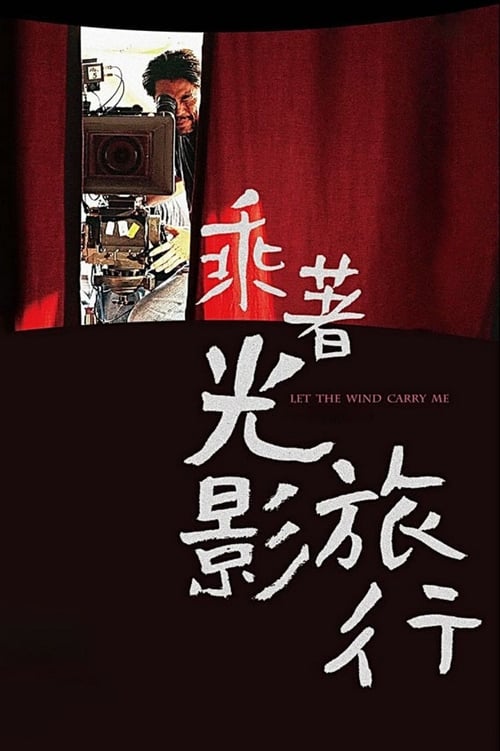
Let the Wind Carry Me
Plot
Focusing on Mark Lee Ping-bin, one of the most talented and prolific cinematographers in Asia, the movie details the itinerant lifestyle of a deeply observant and philosophical artist and the tolls that his profession takes on his family life.
Get the Weekly Woke Watchlist
New and trending movies scored for woke bias, preachy messaging, and forced political themes — before you waste your evening.
No spam. One useful email per week.
Overall Series Review
Categorical Breakdown
The film centers on the career and craft of Mark Lee Ping-bin, a Taiwanese cinematographer, whose professional success is entirely based on his merit and talent as a highly sought-after artist. The narrative is a celebration of universal meritocracy in a non-Western context. No elements of racial hierarchy, 'whiteness' vilification, or forced diversity are present.
The movie is a documentary focused on an artist from Taiwan, a non-Western civilization. The narrative is not concerned with critiquing or demonizing its home culture. Instead, it respects and celebrates the sacrifices and artistic contribution of an acclaimed figure within the Taiwanese/Asian film industry, showing an appreciation for the cultural product and the individual's journey.
The core domestic conflict involves a male artist's long absences due to his career, which strains the traditional nuclear family structure. The narrative acknowledges the 'tolls' the profession takes on his family life, which includes his wife and son, but this is a complex human problem, not an ideological lecture. The cinematographer, though absent, is celebrated as a 'deeply observant and philosophical artist,' not an emasculated or toxic male. There is no 'Girl Boss' trope, and the mother's role is not framed as a 'prison,' but a position of hardship due caused by the father's career choice.
The documentary is a straightforward biographical account of a male artist, his professional collaborations, and his relationship with his wife and son. The film maintains a normative structure focused on the traditional nuclear family unit and the challenges it faces. No alternative sexual or gender ideologies are introduced, centered, or lectured upon.
The cinematographer is explicitly described as a 'deeply observant and philosophical artist.' This framing suggests an acknowledgment and respect for a transcendent, spiritual, or profound approach to life and art. The film does not exhibit hostility toward religion or promote moral relativism, but instead hints at objective truth and higher moral law through the subject's 'observant' nature.
Get the Weekly Woke Watchlist
New and trending movies scored for woke bias, preachy messaging, and forced political themes — before you waste your evening.
No spam. One useful email per week.