Teen Wolf
Season 4 Analysis
Season Overview
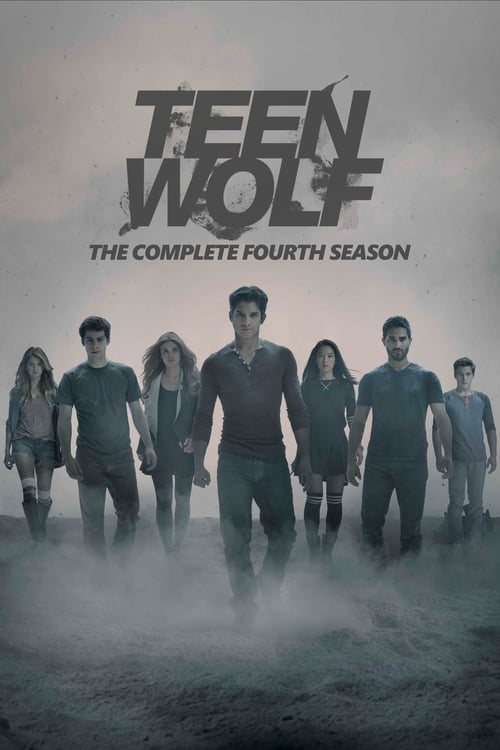
Still healing from tragic losses, Scott, Stiles, Lydia, and Kira return to a new semester of school with more human worries than supernatural, while also trying to help their new friend, Malia, integrate back into society. But Kate Argent’s surprising resurrection brings a new threat to Beacon Hills along with the emergence of another mysterious enemy known simply as The Benefactor.
Season Review
Categorical Breakdown
The lead cast maintains strong racial and ethnic diversity with Scott McCall and Kira Yukimura as central protagonists. A new gay character of color, Mason Hewitt, is introduced, though his role remains secondary. The central conflict is a literal ‘Deadpool’ that assigns a monetary value to supernatural creatures without regard for identity characteristics, focusing on individual merit of power over social hierarchy. The narrative does not contain dialogue that lectures on systemic oppression or the vilification of white characters.
The central conflict revolves around threats internal to the local community, Beacon Hills, primarily driven by self-interested individuals like Peter Hale and Kate Argent. Institutions such as the police force, represented by Sheriff Stilinski, and the family unit, represented by Melissa McCall, are consistently portrayed as positive, protective forces against chaos. There is no narrative emphasis on framing Western civilization or heritage as fundamentally corrupt.
The season features multiple powerful, competent female characters who are vital to the plot's success: Lydia Martin develops her Banshee powers, Kira Yukimura is a formidable Kitsune, and Malia Tate integrates into the pack as a strong Werecoyote. A primary antagonist, Kate Argent, is a powerful female villain. The existence of these highly capable 'Girl Boss' types elevates the score, although the main male characters (Scott, Stiles, Derek) are not rendered wholly incompetent, and the theme of motherhood is not actively demonized.
The show is criticized in contemporary commentary for its lack of meaningful LGBTQ+ representation, with a previously established gay character disappearing and a newly introduced gay character, Mason Hewitt, remaining a minor figure. The show focuses on traditional male-female pairings. The storyline does not center around alternative sexualities or gender ideology, which keeps the score low despite the presence of minor non-heterosexual characters.
The narrative is based on a wide range of global supernatural mythologies (werewolves, kitsunes, banshees). The moral compass of the characters, particularly Scott McCall's 'True Alpha' status, is rooted in transcendent morality and the strength of his character's soul and goodness. Traditional religion, particularly Christianity, is not a focus and is neither a source of strength nor a root of evil.