Teen Wolf
Season 6 Analysis
Season Overview
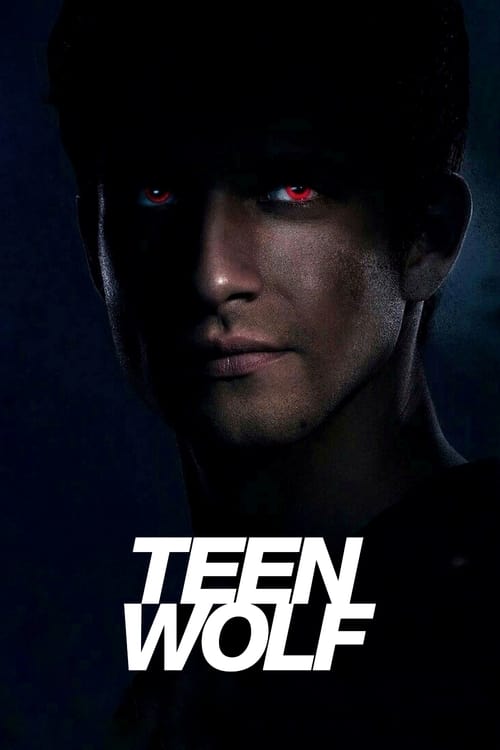
The final season features the greatest threat yet: The Ghost Riders of The Wild Hunt. These beings erase people from existence--including eradicating them from the memories of those who knew them--and a member of Scott's pack is among the first to be taken. Scott and his remaining pack must find a way to defeat the Ghost Riders AND remember and rescue their lost and forgotten friend before everyone in Beacon Hills is erased.
Season Review
Categorical Breakdown
The lead protagonist is a minority, and his diverse pack is pitted against the primary villain of 6B, an older, white, traditional hunter who mobilizes the fearful, predominantly adult human majority. The narrative consistently frames the older, established, and traditional authority figures as the source of oppression and villainy.
The second half of the season centers on the local townspeople turning against the main characters, explicitly demonizing the 'in-group' (humanity) for its fear, ignorance, and prejudice against the 'supernatural other.' The home culture is portrayed as fundamentally corruptible and must be saved from its own nature and history (the Hunter tradition).
Female characters like Lydia and Malia are highly competent, contributing intellectual and physical strength to the pack on par with the male members. They are complex characters who learn to control their powers, not instant Mary Sues. The Alpha remains male, but the women are protective and essential allies, creating a complementary dynamic rather than an emasculating one.
Alternative sexualities are a normalized and non-controversial part of the main ensemble. A prominent supporting character is in a stable male-male relationship. The series also reintroduces and solidifies a separate, previously established canonical male-male romantic couple. These relationships are treated as standard romantic pairings within the narrative's structure.
The world of the show operates entirely outside of traditional, organized religion. Supernatural myths and secular-supernatural ethics dictate the moral code. No character finds strength in faith, and no specific religion is overtly attacked; it is simply irrelevant to the moral conflicts, placing the entire framework in a spiritual vacuum where morality is defined by subjective pack bonds versus human fear.